How Long Should Your Dental Fillings Last?
Posted on 8/3/2026 by Singing River Dentistry - Muscle Shoals |
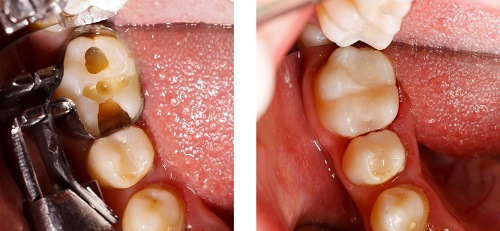 Have you ever wondered about the lifespan of that dental filling in your mouth? It's a common question, and understanding the factors that influence its longevity can help you keep your smile healthy and bright. We're going to explore the typical lifespan of fillings, what affects their durability, and how you can make them last as long as possible. Have you ever wondered about the lifespan of that dental filling in your mouth? It's a common question, and understanding the factors that influence its longevity can help you keep your smile healthy and bright. We're going to explore the typical lifespan of fillings, what affects their durability, and how you can make them last as long as possible.
Understanding Dental Filling Materials
Different materials are used for dental fillings, each with its own set of characteristics and lifespan. Amalgam, often called "silver fillings," have been used for over a century. Composite fillings, made of a tooth-colored resin, are popular for their aesthetics. Gold fillings are incredibly durable but less commonly used due to their cost. Glass ionomer fillings release fluoride and are often used in areas less prone to heavy chewing forces. The type of material chosen by your dentist will influence how long the dental filling is expected to last.
Average Lifespan Expectations
While there's no guaranteed expiration date, we can talk about average lifespans. Amalgam fillings can often last for 10-15 years, or even longer, with proper care. Composite fillings typically last for 5-7 years, though some can last longer depending on their placement and how well you maintain them. Gold fillings can last for decades, easily exceeding 20 years. Glass ionomer fillings generally have the shortest lifespan, often around 5 years. Remember, these are just averages, and individual experiences can vary.
Factors Affecting Longevity
Several factors can influence how long your dental filling lasts. The size and location of the filling play a significant role. Larger fillings or those in areas that bear a lot of chewing force are more susceptible to wear and tear. Your oral hygiene habits are also crucial. Regular brushing, flossing, and dental checkups help prevent decay around the filling, extending its life.
Dietary habits also matter. Consuming sugary or acidic foods and drinks frequently can weaken the filling material and the surrounding tooth structure. Bruxism, or teeth grinding, puts excessive force on fillings and can lead to premature failure.
Signs a Dental Filling Needs Replacement
Knowing the signs that a dental filling might need replacement is essential for preventing further complications. Sensitivity to hot or cold, a sharp pain when biting down, or a visible crack or chip in the filling are all red flags. Sometimes, decay can develop around a filling without you even noticing. That’s why regular check-ups are so important – your dentist can identify problems early.
Caring for Your Dental Fillings
Good oral hygiene is the cornerstone of extending the lifespan of your dental fillings. Brush your teeth at least twice a day with fluoride toothpaste, and floss daily to remove plaque and food particles from between your teeth and around your fillings. Consider using a fluoride mouthwash for added protection.
Regular dental checkups are also vital. Your dentist can assess the condition of your fillings, identify any potential problems, and provide guidance on how to best care for them. Avoid chewing on hard objects like ice or hard candy, as this can damage your fillings. If you grind your teeth, talk to your dentist about a mouthguard to protect your fillings and your teeth. Taking these steps will help ensure your dental fillings last as long as possible, keeping your smile healthy and functional.
|
|

