Why You Keep Getting Cavities Even If You Brush Well
Posted on 8/25/2026 by Singing River Dentistry - Athens |
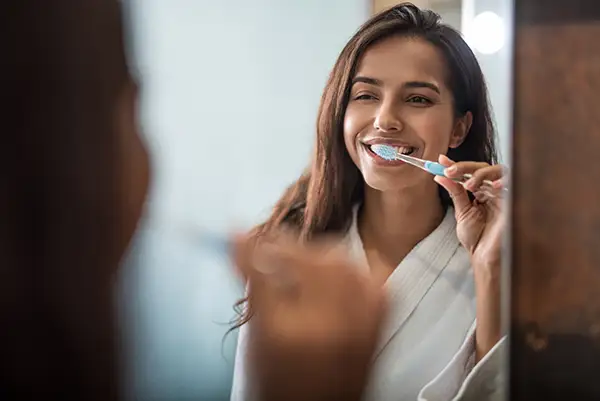 If you keep getting cavities even though you brush twice a day, the honest answer is that brushing alone isn’t enough for many patients, and recurring cavities are almost always a diagnostic question with answerable causes rather than a sign you’re doing something wrong. Plenty of patients at our family dental practice in Athens, AL come in frustrated. They floss most days, see us every six months, and still hear “we’ve found a small spot” at almost every visit. The frustration is fair, and it usually means a contributor to decay hasn’t been identified yet. If you keep getting cavities even though you brush twice a day, the honest answer is that brushing alone isn’t enough for many patients, and recurring cavities are almost always a diagnostic question with answerable causes rather than a sign you’re doing something wrong. Plenty of patients at our family dental practice in Athens, AL come in frustrated. They floss most days, see us every six months, and still hear “we’ve found a small spot” at almost every visit. The frustration is fair, and it usually means a contributor to decay hasn’t been identified yet.
This post walks through the most common reasons cavities keep showing up despite good brushing, separated into the habits you can adjust and the biological factors that may need a different kind of plan. The goal is to give you enough information to have a more useful conversation at your next dental exam.
On This Page
When Good Brushing Still Isn’t Enough
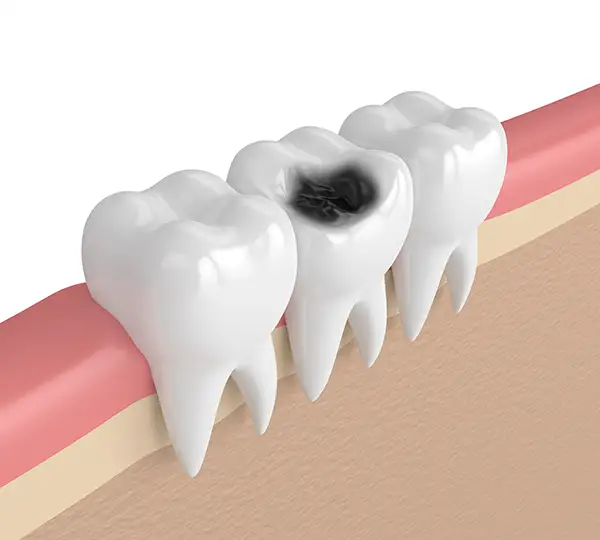 Tooth decay is driven by a fairly simple chemistry. Bacteria in your mouth feed on sugars and starches and release acid as a byproduct. That acid pulls minerals out of your enamel. Your saliva and any fluoride present do the opposite, putting minerals back in. Cavities form when the demineralization side of that equation outpaces remineralization often enough and long enough for a hole to form. Brushing is one input into that balance, but it is not the only one. Two patients can brush identically and have very different cavity rates because everything else feeding into the chemistry is different: what they eat and how often, what medications they take, what bacteria they harbor, what their saliva is like, and how their teeth are shaped. Tooth decay is driven by a fairly simple chemistry. Bacteria in your mouth feed on sugars and starches and release acid as a byproduct. That acid pulls minerals out of your enamel. Your saliva and any fluoride present do the opposite, putting minerals back in. Cavities form when the demineralization side of that equation outpaces remineralization often enough and long enough for a hole to form. Brushing is one input into that balance, but it is not the only one. Two patients can brush identically and have very different cavity rates because everything else feeding into the chemistry is different: what they eat and how often, what medications they take, what bacteria they harbor, what their saliva is like, and how their teeth are shaped.
That is why “just brush better” doesn’t solve recurring cavities for many patients. The real fix usually involves identifying which other inputs are working against you and adjusting them.
Habits That Quietly Cause Cavities
These are the daily-life factors patients have the most control over once they know about them. None of them require dramatic life changes, but each one can meaningfully shift your cavity risk.
Technique gaps even good brushers miss
Even people who brush twice a day often spend less than the recommended two minutes, skim over the back surfaces of the back molars, miss along the gumline, and rinse the fluoride toothpaste away immediately after brushing. The fix is a slower, more systematic approach: divide your mouth into quadrants, give each one a full 30 seconds, work along the gumline at a 45-degree angle, and spit out the toothpaste without rinsing so the fluoride keeps working for a while after you’re done.
Flossing inconsistently leaves big gaps
A toothbrush physically cannot reach the contact surfaces between teeth. Those are roughly a third of the total tooth surface area, and they are exactly where many cavities form. If you brush thoroughly and floss rarely, your cavities are likely showing up between teeth and the brushing isn’t the issue. Daily flossing, water flossers, or interdental brushes all work; the best one is the one you’ll actually use.
Snacking and sipping keep your mouth acidic
Frequency matters more than total sugar. A patient who eats a candy bar with lunch and rinses with water afterward does less damage than a patient who grazes on goldfish crackers or sips a sweetened coffee for three hours. Each exposure restarts the acid cycle. The teeth need time between exposures to remineralize, and constant grazing keeps the mouth in acid mode all day. Drinking water between meals and clustering snacks rather than spreading them across the day makes a real difference.
Brushing too hard or right after acidic foods
Acid temporarily softens enamel. If you brush immediately after coffee, citrus, soda, or wine, you accelerate enamel wear instead of cleaning gently. Wait about 30 minutes and rinse with water in the meantime. Hard-bristled toothbrushes and aggressive technique do the same kind of damage in a different way, often causing the gums to recede and exposing root surfaces, which are much more decay-prone than enamel. A soft-bristled brush, used gently, is what almost every dentist recommends.
The Biology and Dental Work You Can’t Brush Away
These are the factors that have nothing to do with how well you brush. If you’re a cavity-prone patient despite great habits, the issue is often one of these.
Dry mouth from common medications
Saliva is your mouth’s main defense against decay. It neutralizes acid, washes away food, and delivers minerals back to the enamel. Many common medications meaningfully reduce saliva flow, including antihistamines, antidepressants, blood pressure medications, and ADHD medications. Patients on these often have higher cavity rates even with great brushing. The fix is rarely stopping the medication; it’s adjusting around it with hydration, sugar-free lozenges or gum to stimulate saliva, prescription-strength fluoride toothpaste, and saliva-replacement products at night.
Decay hiding under existing dental work
Old fillings, crowns, and other restorations can develop tiny gaps at the margins over time. Bacteria slip in and cause decay underneath the restoration that isn’t visible at the surface. It often shows up only on a checkup x-ray once it has grown enough to detect. If you have older dental work and keep getting new cavities, decay under the existing restorations is a common explanation that has nothing to do with your brushing.
Genetics, tooth shape, and the back molars
Saliva chemistry, enamel composition, tooth shape, and the specific bacterial mix in your mouth are partly genetic. Some patients are simply more cavity-prone through no fault of their own. The back molars, in particular, have deep grooves and pits that physically trap bacteria, and a toothbrush bristle isn’t the right shape to clean them out. This is where dental sealants are highly effective. They’re a thin protective coating placed in those grooves, and they substantially reduce decay risk in the teeth where it tends to start.
Building a Real Plan With Your Dental Team
If you’re cavity-prone despite good habits, an honest conversation with your dental team will move you further than any product you buy off a shelf. Bring up what you’ve already tried, what medications you take, how often you snack, whether your mouth feels dry, and what your past cavity pattern looks like (always between teeth, always in the back molars, always around old fillings, and so on). Based on that, your team might recommend more frequent professional cleanings, in-office fluoride varnish or prescription-strength fluoride toothpaste at home, sealants on vulnerable molars, a saliva test, or a focused look at the diet and timing of snacks. Targeted plans work. Generic “brush and floss better” advice usually doesn’t.
Taking the Next Step
Recurring cavities are not a moral failing, and they’re rarely solved by brushing harder. If you’d like a fresh set of eyes on what may be driving yours, our team in Athens is happy to work through the question with you and put together a plan that fits your mouth and your habits. Call 256-383-1112 or visit our Athens office to schedule a visit.
Frequently Asked Questions
Can mouthwash replace flossing?
No. Mouthwash can’t physically remove plaque from between teeth the way floss or an interdental brush can. It’s a useful addition for breath, dry mouth, or fluoride exposure, but it doesn’t do the mechanical cleaning that prevents between-the-tooth cavities.
Does an electric toothbrush prevent more cavities than a manual one?
On average, electric toothbrushes remove a bit more plaque, especially for patients who tend to brush too lightly or too briefly with a manual brush. A built-in timer is the most consistently useful feature, since it solves the “under two minutes” problem most patients don’t realize they have. A manual brush used well still works.
Why do I get cavities between teeth that I floss every day?
Most often it’s flossing technique. Snapping floss in and out without hugging it against each tooth surface skips over the spots where decay starts. Curving the floss into a C-shape against the tooth and gently sliding it up and down along the side covers the area that’s actually at risk.
How often should I have a cleaning if I’m cavity-prone?
Six months is the standard, but patients at higher risk are often placed on a three or four month interval. More frequent cleanings disrupt the bacterial film before it does as much damage and give the team more chances to apply fluoride and catch early changes.
Are some people just born more cavity-prone?
Yes, to a real extent. Enamel hardness, tooth shape, saliva chemistry, and the mix of bacteria each person harbors are all partly genetic. It’s not the whole story, but it explains why two patients with similar habits can have very different cavity rates. |
|

