How to Care for Your Smile as You Age
Posted on 8/8/2026 by Singing River Dentistry - Muscle Shoals |
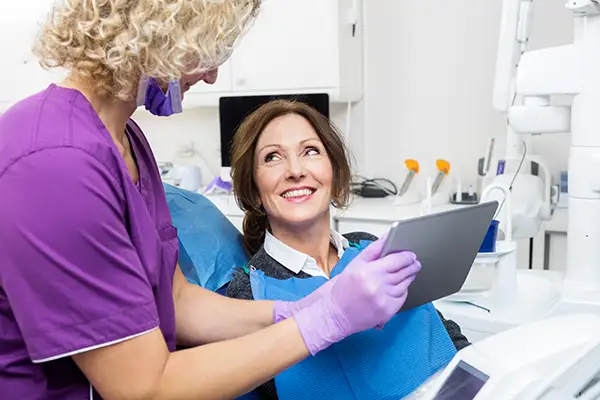 If you are like most adults in Muscle Shoals, you do not spend much time thinking about how to care for your smile as you age until something changes: a new sensitivity, a tooth that suddenly looks darker, gums that recede a little, or a dry mouth that started after a new medication. The reality is that a healthy smile at 70 or 80 is largely built through the decisions made in the decades before. If you are like most adults in Muscle Shoals, you do not spend much time thinking about how to care for your smile as you age until something changes: a new sensitivity, a tooth that suddenly looks darker, gums that recede a little, or a dry mouth that started after a new medication. The reality is that a healthy smile at 70 or 80 is largely built through the decisions made in the decades before.
The good news is that very little of what affects your mouth as you age is inevitable. Modern dentistry has made it possible for many adults to keep most or all of their natural teeth for life, and even when tooth loss does happen, dental care designed for older patients makes long-term oral health very achievable. This post walks through what changes in your mouth at each life stage and what to prioritize at each decade to protect your smile for the long haul.
On This Page
What Changes in Your Mouth as You Age
Aging brings real physiological changes to the mouth, even for people with excellent dental habits. Knowing what to expect helps you spot the early signs and act before a small change becomes a bigger problem.
Enamel naturally thins over time as the surface wears from a lifetime of chewing, and acid exposure can speed that process up. As enamel thins, the dentin underneath shows through more visibly, which is why teeth tend to look more yellow with age. The dentin itself also darkens, contributing to the overall change in color.
Gums often recede with age, even for patients with strong daily habits. When the gum line drops, the root surface of the tooth becomes exposed, and root surfaces are softer than enamel and more vulnerable to decay. Root surface cavities are one of the most common dental issues we see in patients over 60, and they often progress without much warning.
Saliva flow can decrease, especially when new medications are introduced. Common prescriptions for blood pressure, depression, allergies, sleep, and many other conditions list dry mouth as a side effect, and dry mouth significantly raises the risk of decay and gum disease because saliva is one of the mouth’s main defenses against bacteria.
Finally, the risk of oral cancer rises with age. Regular screenings become more important after 50, not less.
Smile Care in Your 30s and 40s
This is the decade most people skip cleanings or stretch out the time between visits because life gets busy. The trade-off shows up later as gum disease, larger fillings, and the cosmetic concerns that come with stained or worn teeth. A few priorities during these years pay off significantly down the road.
Do not skip professional cleanings. Twice-yearly professional teeth cleanings are the single most consistent prevention tool we have for both decay and gum disease. The plaque and tartar that home brushing cannot remove get cleared off, and small concerns get caught before they become large ones.
Address grinding early. Many adults grind their teeth in their thirties and forties without knowing it. Worn edges on the front teeth, jaw soreness in the morning, or flattened back teeth are common signs. A night guard now prevents enamel loss, cracks, and the need for crowns later.
Deal with cosmetic concerns before they require restoration. A small chip, a hairline crack, or surface staining is far easier to address while the tooth is otherwise healthy. Waiting until a tooth needs a crown forces a different kind of decision later on.
Manage gum health proactively. Even mild gum inflammation is a signal worth treating. Bone loss from gum disease does not come back, so the goal is always to catch it early.
Smile Care in Your 50s
This is the decade when the cumulative effects of aging start to become visible, and where targeted attention can keep small problems from becoming permanent ones.
Pay closer attention to dry mouth. If you have started a new medication and noticed your mouth feels different, mention it at your next visit. Helpful strategies include sipping water throughout the day, chewing sugar-free gum to stimulate saliva, avoiding alcohol-based mouthwashes, and using over-the-counter or prescription products designed to mimic saliva.
Get medications reviewed with your dentist. Bring an updated list to your checkups. Several common prescriptions interact with dental care in ways patients do not always know about, including blood thinners, bisphosphonates, and immunosuppressants.
Prioritize oral cancer screenings. These are part of every comprehensive dental exam and take only a few minutes. Early detection of oral cancer is one of the most meaningful differences regular dental visits can make in this decade.
Replace any missing teeth promptly. When a tooth is lost, the surrounding bone begins to resorb almost immediately because it no longer has the stimulation from chewing. Within a year or two, the change is visible. Replacement options like bridges, partial dentures, or implants preserve both the bone and the bite.
Consider professional whitening before age-related darkening sets in further. The fifties are often when patients first notice their teeth looking dimmer than they remember, and whitening is most effective when the underlying enamel is still in good condition.
Smile Care in Your 60s and Beyond
The decisions made earlier shape what this decade looks like, but there is still meaningful protection available even for patients starting fresh now.
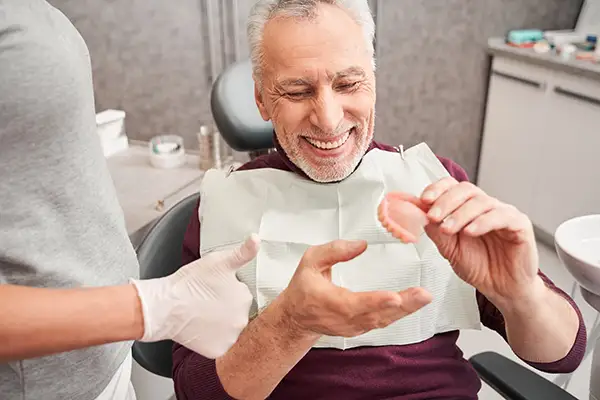 Maintain a consistent routine, even with denture transitions. Patients who wear full or partial dentures still need regular checkups to monitor gum health, fit, and oral cancer risk. The mouth does not stop changing because the natural teeth are gone. Maintain a consistent routine, even with denture transitions. Patients who wear full or partial dentures still need regular checkups to monitor gum health, fit, and oral cancer risk. The mouth does not stop changing because the natural teeth are gone.
Use electric brushes and water flossers if dexterity is limited. Arthritis, neuropathy, and reduced grip strength make manual brushing and flossing harder for many older adults. The right tools restore effective cleaning without requiring the same dexterity.
Daily fluoride matters more, not less. Exposed root surfaces benefit significantly from daily fluoride toothpaste, and many older adults also benefit from periodic professional fluoride treatments. For high-risk patients, a prescription-strength rinse or paste can prevent root surface cavities effectively.
Stay current with periodontal maintenance cleanings if you have a history of gum disease. The interval is usually every three to four months rather than six, and the cleanings reach below the gumline where home care cannot.
Do not assume tooth loss is inevitable. Many adults today keep their natural teeth for life with consistent care. And when teeth do need to be replaced, dental implants for seniors are often a strong long-term option because they preserve bone, restore chewing function, and look natural.
Habits That Matter at Every Age
A few practices protect your smile regardless of decade.
| • |
Brush twice daily with a fluoride toothpaste – the foundation, not optional
|
| • |
Floss or use an interdental cleaner every day – clears the spaces brushing cannot reach
|
| • |
Keep regular checkups – problems caught early stay small
|
| • |
Stay hydrated – especially if you take medications that affect saliva
|
| • |
Skip tobacco in every form – the single biggest preventable risk factor for both gum disease and oral cancer
|
| • |
Address grinding – protective at every age, not just middle age |
Consistency over time matters more than intensity in any single year. The patients we see with the healthiest smiles in their seventies and eighties are not the ones who did anything dramatic. They are the ones who did the basics, regularly, decade after decade.
Caring for Your Smile in Muscle Shoals
Whatever decade you are in, our team at Singing River Dentistry in Muscle Shoals is here to help you protect your smile for the long term. Call 256-383-1112 or visit our practice homepage to schedule a checkup or talk through what is right for your age and situation.
Frequently Asked Questions
Why do teeth look darker as you get older?
Two changes are happening at once. The enamel on the outside of the tooth thins from years of wear, while the dentin layer underneath naturally darkens. Together, these make teeth look more yellow or gray with age. Surface stains from coffee, tea, wine, and tobacco add to the effect.
Is tooth loss a normal part of aging?
It is common, but it is not inevitable. The biggest causes of tooth loss in adults are advanced gum disease and untreated decay, both of which respond well to early intervention. Many older adults today keep all or most of their natural teeth with consistent dental care.
What causes dry mouth in older adults?
Medications are by far the most common cause. Hundreds of prescription drugs reduce saliva flow as a side effect. Other contributors include certain medical conditions, dehydration, and breathing through the mouth at night. Treating dry mouth matters because saliva is a primary defense against decay and gum disease.
How often should older adults visit the dentist?
Twice a year is the general guideline, but patients with a history of gum disease, dry mouth, or other risk factors often benefit from visits every three to four months. Your dentist will recommend an interval based on your specific situation.
Are dental implants a good option for older patients?
For many older patients, yes. Age alone is not a disqualifying factor. The more important considerations are bone density, overall health, and how well existing conditions like diabetes are managed. Implants preserve bone, restore chewing function, and look natural, which makes them a strong long-term choice when the patient is a candidate.
|
|

