How Diet Soda Affects Your Teeth (and Why Sugar-Free Is Not Safe)
Posted on 6/9/2026 by Singing River Dentistry - Muscle Shoals |
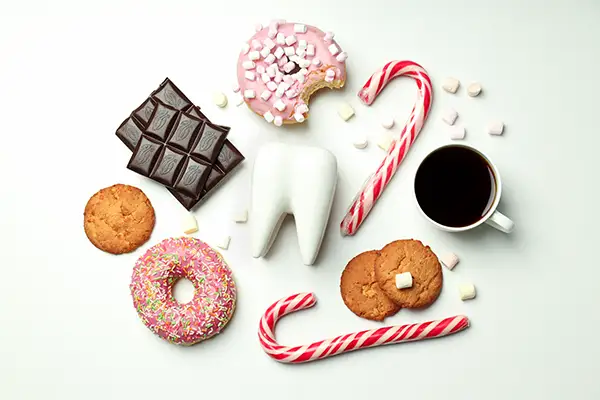 Understanding how diet soda affects your teeth starts with one uncomfortable truth: the threat to your enamel is not just the sugar, it is the acid that remains even after the sugar is removed. Patients in our Muscle Shoals office often tell us they switched from regular soda to diet because they wanted to protect their teeth (or their kids’ teeth) from cavities. It is a logical move, and it does cut out one major risk factor. But it does not eliminate dental damage from soda, and in some ways it can make the problem easier to ignore because the conventional warning signs feel like they no longer apply. Understanding how diet soda affects your teeth starts with one uncomfortable truth: the threat to your enamel is not just the sugar, it is the acid that remains even after the sugar is removed. Patients in our Muscle Shoals office often tell us they switched from regular soda to diet because they wanted to protect their teeth (or their kids’ teeth) from cavities. It is a logical move, and it does cut out one major risk factor. But it does not eliminate dental damage from soda, and in some ways it can make the problem easier to ignore because the conventional warning signs feel like they no longer apply.
This article walks through what the chemistry actually does to enamel, how the damage shows up over months and years, the habits that make things worse, and the practical changes that protect your teeth without requiring you to give up your favorite drink entirely. If you have noticed new tooth sensitivity or your back teeth feel rougher than they used to, diet soda may be a quiet contributor.
On This Page
The Sugar-Free Myth
The reasoning behind switching to diet soda is sound on the surface. Sugar feeds the bacteria that cause cavities, so removing the sugar removes one of the main drivers of decay. That part is true. What gets missed is that cavities are not the only way soda damages teeth, and the sugar is not the only ingredient that matters.
Soft drinks are deliberately acidic. The fizz, the tangy bite, and the long shelf life all come from acids added during production. Phosphoric acid is common in colas, citric acid is common in citrus-flavored sodas, and the dissolved carbon dioxide that makes the drink bubbly creates carbonic acid in the can or bottle. When you take a sip, your mouth is briefly bathed in a solution acidic enough to dissolve tooth enamel directly, no bacteria required. That mechanism, called erosion, applies just as much to a sugar-free diet soda as it does to a regular one.
The Real Threat: Acidity and pH
A quick pH refresher helps put this in perspective. Pure water sits at a neutral 7. Anything below 7 is acidic, and the scale is logarithmic, meaning each step down represents a tenfold increase in acidity. Enamel begins to demineralize at around pH 5.5. Many popular diet sodas measure between 2.5 and 3.5, which puts them in the same range as vinegar and well below the threshold where enamel starts dissolving. Battery acid sits near pH 1 for the extreme reference point.
Healthy saliva works to neutralize acid and remineralize enamel using calcium, phosphate, and (if you use fluoride toothpaste) fluoride. But that process takes time. After a single sip of diet soda, the mouth typically needs 20 to 60 minutes to return to a safe pH. If you take another sip before that happens, the clock resets and the enamel never gets a chance to recover. That timing piece is what makes diet soda far more harmful when sipped slowly than when consumed quickly with a meal.
How Damage Shows Up Over Time
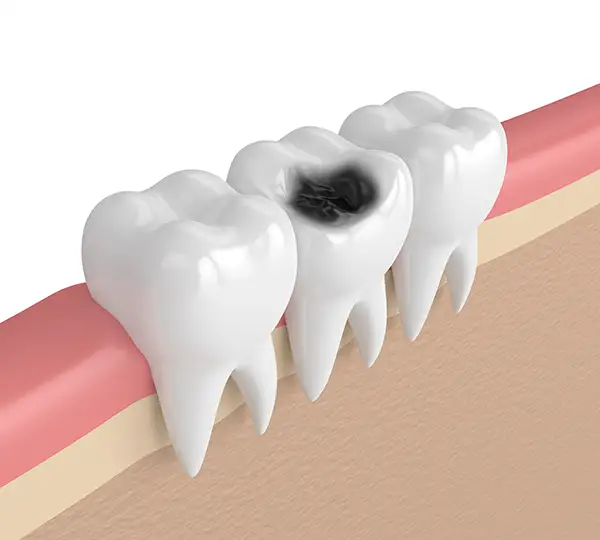 Enamel erosion is gradual, and the early signs are easy to miss because they do not cause obvious discomfort at first. The cumulative effects build over months and years, and patients often only notice when one symptom finally crosses a threshold they cannot ignore. Enamel erosion is gradual, and the early signs are easy to miss because they do not cause obvious discomfort at first. The cumulative effects build over months and years, and patients often only notice when one symptom finally crosses a threshold they cannot ignore.
The first sign is usually new or increased sensitivity to cold drinks, ice cream, and sometimes sweet foods. As enamel thins, the yellower dentin underneath becomes more visible, so teeth gradually look duller or more yellow even with the same brushing and whitening routine. The edges of the front teeth may start to look slightly translucent or rounded rather than crisp. Back teeth can develop shallow cup-like depressions on the chewing surfaces, and the surface texture can feel rougher to the tongue. Because softened enamel is more permeable to decay-causing bacteria, cavities form more easily and progress faster, which often shows up as more frequent fluoride treatment recommendations or smaller fillings appearing at routine exams.
The damage is also permanent in the strict sense. Enamel cannot regrow, so once it has thinned, the goal becomes protecting what remains rather than restoring what is gone. Regular professional cleanings help catch early erosion and remineralize the surface with fluoride, but the most powerful intervention is changing the pattern of exposure.
Habits That Make Damage Worse
The same amount of diet soda can do very different amounts of damage depending on how you drink it. A few habits multiply the harm significantly, and most of them are not obvious.
Sipping a diet soda slowly throughout a workday is the most damaging pattern by far, because the mouth never gets to neutralize between sips. A 32-ounce drink consumed over four hours exposes teeth to acid for that entire stretch, while the same drink finished in 15 minutes at lunch limits the exposure to a single window. Drinking diet soda warm or at room temperature, which more people do than you might think, extends the contact time on enamel because warmer liquid is held in the mouth a moment longer.
Swishing or holding the soda in the mouth before swallowing has a similar effect. And brushing immediately after drinking, intuitive as it sounds, actually accelerates damage because softened enamel is more easily abraded by the bristles. Most dental sources, including the American Dental Association, suggest waiting at least 30 to 60 minutes after acidic drinks before brushing.
Practical Ways to Protect Teeth
You do not have to quit diet soda entirely to protect your teeth, though cutting back is genuinely the most effective move. Most patients can keep their favorite drinks and significantly reduce the damage with a few simple shifts in how and when they drink them.
Use a straw whenever possible, since it directs the liquid past the front teeth and reduces contact with enamel. Rinse with plain water immediately after finishing the drink, which dilutes the remaining acid and helps the mouth return to neutral pH faster. Limit diet soda to mealtimes rather than sipping it throughout the day. Eating with a meal slows the acid effect because saliva production increases during chewing, and the food itself buffers some of the acidity.
Wait at least 30 to 60 minutes before brushing, and consider using a fluoride toothpaste or rinse to support remineralization. Drinking water through the day is the single best replacement, and for anyone who wants bubbles, plain unflavored sparkling water is far less acidic than flavored options. Unsweetened tea is a reasonable middle ground, though black tea has its own staining considerations.
Regular checkups also matter more for diet soda drinkers, since routine dental exams catch early erosion long before it becomes uncomfortable, and preventive dental care can be tailored when soda exposure is a known factor.
Talking About Diet Soda Habits in Muscle Shoals
Diet soda is one of those everyday habits that quietly affects long-term dental health, and we would much rather help you protect your teeth proactively than treat the consequences down the road. If you have questions about sensitivity, erosion, or whether your current routine is putting your enamel at risk, our team at Singing River Dentistry in Muscle Shoals is glad to take a look. Call us at 256-383-1112 or visit our practice homepage to schedule a visit.
Frequently Asked Questions
Is diet soda worse than regular soda for teeth?
Diet soda removes the cavity risk from sugar but keeps the erosion risk from acid. Regular soda has both. On balance, regular soda is typically worse overall, but diet soda is far from harmless, and many people drink more of it precisely because they assume it is safe.
Does ice in diet soda reduce the damage?
Cold liquid tends to be swallowed faster, so iced soda spends slightly less time in contact with enamel than warm soda. However, the acid content is identical, so ice does not change the chemistry, just the timing of exposure.
Can I brush my teeth right after drinking diet soda?
It is better to wait at least 30 to 60 minutes. Acid temporarily softens enamel, and brushing immediately can wear away the softened surface layer. Rinse with water right after drinking, then brush later when the enamel has had time to reharden.
Is plain sparkling water bad for teeth?
Plain unflavored sparkling water is significantly less acidic than sodas and is generally considered safe in normal amounts. Flavored sparkling waters, especially citrus varieties, can be acidic enough to contribute to erosion, so check the label and treat them more like soda than water.
Can fluoride help protect against diet soda damage?
Yes, fluoride helps enamel resist acid attacks and supports remineralization between exposures. A fluoride toothpaste is a daily baseline, and professional fluoride treatments at your routine visits add an extra layer of protection for patients with frequent acid exposure.
|
|

