Are Electric Toothbrushes Really Better? Dentists Weigh In
Posted on 5/7/2026 by Singing River Dentistry - Muscle Shoals |
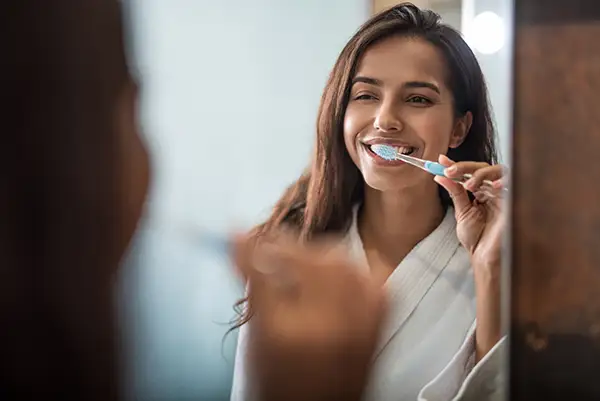 If you have wondered whether electric toothbrushes are really better than the manual brush sitting in your bathroom, the honest answer from most dentists is yes, with a few important caveats that depend more on how you brush than what you brush with. Patients in Muscle Shoals ask us about this all the time, usually right after a cleaning when they have seen a price tag for a new powered brush and are weighing the cost. The marketing claims around electric toothbrushes can sound exaggerated, but the underlying research has been fairly consistent for years. If you have wondered whether electric toothbrushes are really better than the manual brush sitting in your bathroom, the honest answer from most dentists is yes, with a few important caveats that depend more on how you brush than what you brush with. Patients in Muscle Shoals ask us about this all the time, usually right after a cleaning when they have seen a price tag for a new powered brush and are weighing the cost. The marketing claims around electric toothbrushes can sound exaggerated, but the underlying research has been fairly consistent for years.
Here is what we tell people. A powered brush does not replace good technique, and a manual toothbrush used well is still effective. But for most adults, especially those who tend to rush, brush too hard, or have a history of gum issues, switching to electric tends to translate into less plaque, healthier gums, and a smoother experience at every professional cleaning. The rest of this post walks through what the research actually shows, where electric brushes shine, where manual is still fine, and the habits that matter more than the brush itself.
On This Page
What the Research Actually Says
A large body of research has compared powered and manual toothbrushes over decades, and the general pattern is consistent. Cochrane reviews and other meta-analyses have found that powered toothbrushes, particularly those with an oscillating-rotating action or a sonic motion, remove more plaque and reduce gingivitis more effectively than manual brushing over a period of three months or longer. The differences are not enormous, but they are measurable, and they appear to compound over time.
That said, the studies almost always come with the same footnote: a manual toothbrush used with excellent technique can match an electric brush used poorly. The brush is a tool, not a substitute for the work. What the research really points to is that powered brushes make consistently good technique easier for most people, which is where the long-term benefit shows up.
What Electric Brushes Do Better
A handful of practical advantages explain why powered brushes tend to outperform manual ones in everyday use. None of them are magic, but together they remove a lot of friction from the daily routine.
Built-in timing and pacing
Most electric toothbrushes have a two-minute timer with 30-second pulses that signal when to move to the next quadrant of the mouth. Studies of manual brushers have consistently found that most people significantly underestimate how long they brush. A timer takes the guesswork out and ensures the full two minutes recommended by the American Dental Association.
Pressure sensors that protect gums
Brushing too hard is one of the leading causes of gum recession and abrasion of the tooth at the gumline, and it is surprisingly hard to feel in the moment. Many higher-end electric brushes have a pressure sensor that lights up or pulses when you push too hard, which trains better habits over time and protects gum tissue from long-term damage.
Consistent motion
A powered brush does the small repetitive movements for you. Whether the brush oscillates, rotates, or vibrates at sonic speed, the motion is uniform from the first tooth to the last. Manual brushing tends to start strong and weaken in the harder-to-reach areas, especially the back of the mouth and the inside surfaces of the lower front teeth.
Easier brushing for limited dexterity
For patients with arthritis, hand tremors, recent surgery, or other limits on hand strength and control, an electric brush takes much of the physical work out of brushing. The same applies to children learning to brush properly and to teens who tend to hurry. Our dental care for seniors team often recommends powered brushes for exactly this reason.
Who Benefits Most from Switching
Almost everyone gets at least a small benefit from switching to a powered brush, but certain groups see a noticeable difference. Patients with a history of gum disease tend to see less inflammation and bleeding after a few weeks of consistent use. Patients with braces, retainers, or other orthodontic appliances find it easier to clean around brackets and wires. Anyone who has been told they brush too hard benefits from the pressure sensor on most quality electric brushes, and people who tend to rush through brushing benefit from the built-in two-minute timer.
We also frequently recommend a switch to patients managing periodontal care after a deep cleaning, since powered brushes paired with good technique help keep new plaque and tartar from rebuilding between visits. The same logic applies to anyone who has needed professional plaque and tartar removal more often than they would like.
When a Manual Brush Is Still Fine
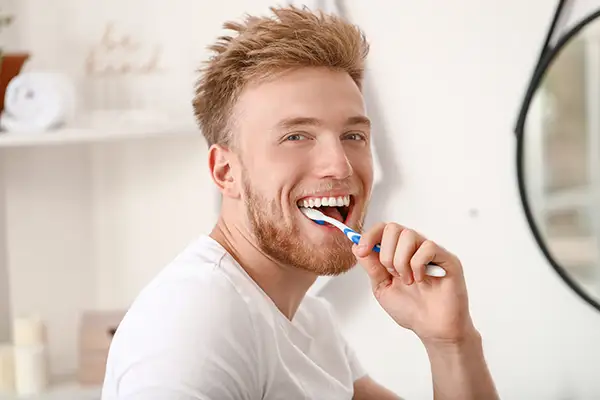 A manual toothbrush is far from obsolete, and there is no shame in sticking with one if it works for you. The most important factor in any brushing routine is consistent, thorough technique, and a manual brush is perfectly capable of delivering that. A manual toothbrush is far from obsolete, and there is no shame in sticking with one if it works for you. The most important factor in any brushing routine is consistent, thorough technique, and a manual brush is perfectly capable of delivering that.
A manual brush is also still the right tool in plenty of practical situations. It is excellent as a travel backup that does not need a charger or batteries. It is fine for kids who are just learning, since some younger children find the vibration of an electric brush unsettling at first. And for the patient who already has a long history of meticulous brushing with soft bristles, gentle pressure, and proper angle at the gumline, the upgrade may not produce a noticeable difference. If you fall into that group, a good soft-bristled manual brush replaced every three months will keep doing the job.
Habits That Matter Most
Regardless of which type of brush you choose, a short list of habits has more impact on your long-term oral health than the brush itself. Brush twice a day for the full two minutes, and do not be in a hurry to be done. Use a soft-bristled head every time, since medium and hard bristles can wear down enamel and irritate gums over months and years. Replace the brush or the brush head every three to four months, or sooner if the bristles look frayed. Angle the bristles at roughly 45 degrees toward the gumline, and let them lightly sweep along the edge of the gums rather than pressing into them.
Brushing is only half of daily care. Flossing or using another between-teeth cleaner is just as important, and regular preventive dental care visits catch the issues that even the best home routine cannot.
Building Your Routine
The best toothbrush is the one you will actually use correctly every day. If you are not sure whether your current routine is working as well as it could, our team at Singing River Dentistry in Muscle Shoals is glad to take a look, talk through what works for you, and recommend changes if anything stands out. Call us at 256-383-1112 or visit our practice homepage to schedule a checkup.
Frequently Asked Questions
How often should I replace my electric toothbrush head?
Replace the brush head every three to four months, or sooner if the bristles look frayed, flattened, or splayed. Worn bristles clean far less effectively, and an old head can harbor bacteria. The same timeline applies whether you use a manual brush or an electric brush head.
Are sonic and oscillating toothbrushes equally effective?
Both types have strong research behind them, and both clean very well when used correctly. The difference often comes down to personal preference. Some people prefer the gentle hum of sonic brushes, while others find the more distinct motion of oscillating-rotating heads easier to control.
Can I use an electric toothbrush with braces?
Yes, and many orthodontic patients find it easier to keep their teeth clean around brackets with a powered brush. Some manufacturers make specific orthodontic brush heads with shorter, denser bristles that work well around appliances. Use a gentle touch around the brackets to avoid loosening them.
Will an electric toothbrush whiten my teeth?
A powered brush can do a better job of removing surface stains from coffee, tea, and other foods, so teeth may look brighter over time. However, it does not change the underlying color of the tooth. True whitening, especially for deeper stains, requires a professional whitening treatment.
Are electric toothbrushes safe for sensitive teeth and gums?
Yes, when used properly. Most quality electric brushes have a sensitive mode with reduced speed, and the pressure sensor helps prevent the heavy pressure that often makes sensitivity worse. If you have sensitive areas, pair the brush with a sensitivity toothpaste and avoid pressing into the gumline.
|
|

