Why You Keep Getting Tonsil Stones (and What to Do About Them)
Posted on 4/8/2026 by Singing River Dentistry - Muscle Shoals |
 If you keep getting tonsil stones and can’t figure out why, you are not alone, and the answer usually comes down to a combination of tonsil anatomy, oral hygiene gaps, and a few small habits you may not realize matter. Tonsil stones, or tonsilloliths, are one of those problems that rarely come up in conversation but quietly frustrate a lot of people, especially when they keep coming back week after week. Patients in our Muscle Shoals office often describe the same cycle: they brush, they floss, they rinse, and yet they still see small white or yellow specks at the back of the throat and notice a stubborn odor that breath mints will not cover. If you keep getting tonsil stones and can’t figure out why, you are not alone, and the answer usually comes down to a combination of tonsil anatomy, oral hygiene gaps, and a few small habits you may not realize matter. Tonsil stones, or tonsilloliths, are one of those problems that rarely come up in conversation but quietly frustrate a lot of people, especially when they keep coming back week after week. Patients in our Muscle Shoals office often describe the same cycle: they brush, they floss, they rinse, and yet they still see small white or yellow specks at the back of the throat and notice a stubborn odor that breath mints will not cover.
The good news is that recurring tonsil stones are usually manageable once you understand what causes them and adjust a few daily habits. This guide walks through what they actually are, why some people get them more often than others, what genuinely helps at home, and when it makes sense to involve our team or an ENT specialist. If you have been wondering whether a checkup or professional cleaning might help with chronic bad breath, you will find practical answers below.
On This Page
What Tonsil Stones Actually Are
Tonsilloliths are small calcified deposits that form in the natural folds and crevices of the tonsils, called crypts. They are made up of trapped food particles, dead cells from the lining of the mouth and throat, mucus, and bacteria. Over time, the calcium and other minerals in saliva harden this debris into a small, gritty lump that ranges from the size of a grain of rice to occasionally larger. Most are white or pale yellow, and they sometimes dislodge on their own during eating, coughing, or yawning.
A few things make tonsil stones uniquely uncomfortable. They can cause a persistent feeling that something is stuck in the throat, occasional ear discomfort because of shared nerve pathways in the area, and most notably, a strong odor. The bacteria involved are typically the same species behind chronic bad breath, and they release sulfur compounds that produce the unmistakable rotten-egg smell many people associate with the stones. That is why tonsil stones can make breath smell off even when teeth and gums look perfectly healthy at a checkup.
Why Some People Get Them Repeatedly
The single biggest factor is tonsil anatomy. Some people simply have tonsils with deeper or wider crypts, which gives debris far more places to collect. You do not get to choose your tonsils, and there is nothing wrong with having larger crypts, but the structure makes a real difference in how often stones form. People who have had repeated tonsil infections in the past often have more scar tissue and irregular crypt shapes, which adds to the problem.
Several other factors layer on top of anatomy. Chronic post-nasal drip from allergies or sinus issues pushes a steady supply of mucus down the back of the throat where it can collect. Dry mouth, whether from medications, mouth breathing, or low water intake, reduces the natural rinsing action of saliva and lets bacteria flourish. Gaps in daily oral hygiene, especially skipping tongue cleaning, allow odor-producing bacteria to settle in. Diet matters too. Sticky or dairy-heavy foods left behind in the mouth at night give bacteria more material to work with by morning. Smoking and certain alcoholic drinks also dry the mouth and promote the same conditions. If you struggle with chronic bad breath alongside the stones, both problems often share the same root causes and respond to the same interventions.
Anatomy you cannot change
Larger tonsils, deeper crypts, and a history of tonsillitis all raise the risk of recurring stones, and none of these factors respond to better brushing alone. If your tonsils are simply built to collect more debris, that is not a sign you are doing something wrong. It just means the structure makes a difference in how often stones form, so you may need to be a little more proactive about the things you can control to keep them from coming back as often.
Habits and conditions you can change
Hydration, post-nasal drip management, dry mouth treatment, regular tongue cleaning, and consistent dental hygiene are all within your control. Most people who tighten up these areas notice a real difference within a few weeks. The trick is treating them as a routine rather than a one-time fix, since the conditions that allow tonsil stones to form rebuild quickly when daily care slips.
Daily Steps for Home Care
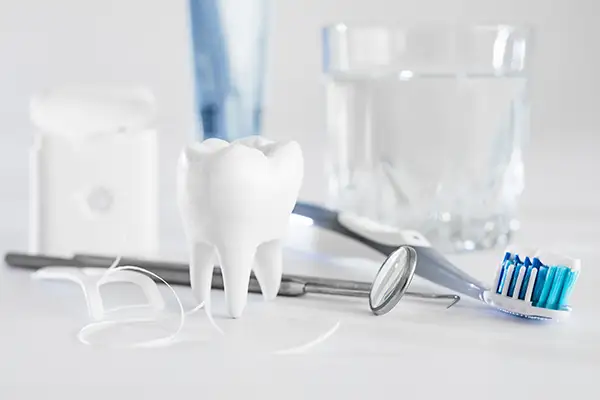 Most people who deal with recurring tonsil stones can reduce how often they form by adjusting a handful of daily habits. None of these are dramatic, but together they make a real difference because they address every layer of the problem rather than just one. Most people who deal with recurring tonsil stones can reduce how often they form by adjusting a handful of daily habits. None of these are dramatic, but together they make a real difference because they address every layer of the problem rather than just one.
Start with thorough oral hygiene that includes the tongue, not just the teeth. Brush twice a day for the full two minutes, floss daily, and use a tongue scraper or the back of the toothbrush to clean the surface of the tongue from back to front. The tongue holds the largest share of odor-producing bacteria in the mouth, and ignoring it is one of the most common reasons people brush diligently and still have bad breath.
A water flosser used on a low or gentle setting around the very back of the mouth can help dislodge debris from visible tonsil crypts without aggressive picking. Aim the stream at the tonsil area rather than directly into a crypt at full pressure. Saltwater gargles, made by dissolving about half a teaspoon of salt in a cup of warm water, can be done once or twice a day to flush the area and reduce bacterial load. Some people find an alcohol-free antibacterial rinse also helps, though daily use of strong rinses is not for everyone, and we suggest discussing options at a regular dental exam if you are unsure.
Hydration deserves more attention than it usually gets. A dry mouth concentrates the conditions that produce stones, so drinking water steadily throughout the day, especially between meals, supports the natural rinsing action of saliva. If you wake up with a dry mouth or take medications that contribute to dryness, addressing that directly can lower how often tonsil stones return. When stones are visible and easy to reach with a cotton swab, gentle removal is reasonable. Aggressive picking with toothpicks, hairpins, or other sharp objects is not. The tonsil tissue is delicate, and an open wound in the back of the throat invites infection and tends to make things worse.
When to See a Dentist or ENT
Most tonsil stones are a nuisance rather than a medical concern, but a few signs warrant a visit. If you have ongoing bad breath that does not respond to better hygiene, recurring throat discomfort, a persistent sensation of something stuck in your throat, or visible stones you cannot manage at home, it is worth having a professional take a look. The dental side of the picture, including gum health and bacteria load from the mouth itself, is something we evaluate during routine visits and during periodontal care for patients who need it.
Some situations are better handled by an ear, nose, and throat specialist. Stones that are unusually large, that cause repeated infections, or that significantly affect quality of life despite consistent home care may benefit from an ENT consultation. Options at that level can include in-office removal under local numbing, laser tonsil cryptolysis (which smooths out the crypts so debris cannot collect as easily), and in rare cases, tonsillectomy. Surgical removal of the tonsils is a meaningful decision in adults and is usually reserved for severe or persistent cases that have not responded to less invasive steps.
Caring for the Whole Mouth in Muscle Shoals
Tonsil stones are often a symptom of broader oral hygiene patterns, and the same habits that keep them at bay also protect your gums, your breath, and your long-term dental health. If recurring stones, ongoing dry mouth, or persistent bad breath are part of your daily life, our team at Singing River Dentistry in Muscle Shoals is glad to help you sort through what is driving it and build a plan that actually works for you. Call us at 256-383-1112 or visit our practice homepage to schedule a visit.
Frequently Asked Questions
Are tonsil stones contagious?
No, tonsil stones themselves are not contagious. They form from debris and bacteria already present in your own mouth and throat. The bacteria involved are common oral bacteria, not infectious agents that spread from person to person.
Why do tonsil stones smell so bad?
The bacteria that thrive in tonsil crypts produce volatile sulfur compounds as they break down food debris and dead cells. Those compounds are the same chemicals responsible for the smell of rotten eggs, which is why even a small stone can produce a noticeably strong odor.
Should I try to remove tonsil stones at home?
Gentle removal with a cotton swab is reasonable when a stone is visible and easy to reach. Avoid sharp objects like toothpicks or pins, which can cut the tonsil and cause infection. If a stone is large, deep, or sore to remove, leave it alone and see a professional.
Can a dentist help with tonsil stones?
Yes. While we do not surgically remove tonsils, we can identify dental and hygiene factors that contribute to recurring stones and bad breath, address dry mouth, evaluate gum health, and recommend home care strategies. We can also refer you to an ENT specialist when that level of care is appropriate.
Will removing my tonsils stop tonsil stones?
A complete tonsillectomy generally prevents tonsil stones because the crypts that collect debris are removed. However, tonsil removal in adults is a more involved recovery than in children, and it is usually only considered for severe, persistent cases that have not responded to other approaches.
|
|

