Dental Implant Myths Most Patients Believe (and the Truth Behind Them)
Posted on 10/8/2025 by Singing River Dentistry - Muscle Shoals |
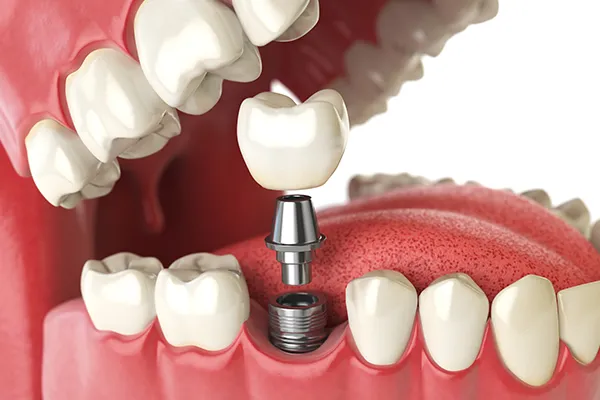 If you’ve started researching dental implant myths in Muscle Shoals, AL, you’ve probably already run into conflicting information that makes the decision feel harder than it needs to be. Implants have been around long enough that outdated descriptions still circulate, even though the materials, planning tools, and techniques have changed significantly. Friends, family members, and online forums often share stories based on what was true a decade or two ago, which can leave people hesitant about a treatment that could genuinely change how they eat, speak, and smile. If you’ve started researching dental implant myths in Muscle Shoals, AL, you’ve probably already run into conflicting information that makes the decision feel harder than it needs to be. Implants have been around long enough that outdated descriptions still circulate, even though the materials, planning tools, and techniques have changed significantly. Friends, family members, and online forums often share stories based on what was true a decade or two ago, which can leave people hesitant about a treatment that could genuinely change how they eat, speak, and smile.
At Singing River Dentistry, our Muscle Shoals team hears many of these misconceptions during consultations. Taking the time to separate what’s outdated from what’s current makes a real difference in how confident a patient feels about their choice. Most of the worry-inducing myths fall apart pretty quickly once you understand how modern dental implants actually work.
This article walks through the most common implant myths we encounter, what the reality looks like today, and how a thorough consultation usually clears up whatever’s left.
On This Page
Why Implant Myths Keep Spreading
Implant dentistry has changed dramatically over the past 20 years, but the patient-side conversation hasn’t always kept up. A relative who had an implant placed in the early 2000s may genuinely remember a longer, more involved process than what most people experience today, and their advice reflects that older experience. Online forums tend to amplify the most dramatic stories. And general assumptions about “tooth surgery” carry over from older procedures even though the planning and techniques are very different now.
That gap between perception and current practice is where most of the worry comes from. Once a patient sees a 3D scan of their own jaw and how the implant would actually be positioned, the conversation usually shifts quickly.
Myths About Who Implants Are For
A surprising number of patients walk in assuming they’ve already disqualified themselves. In many cases, they haven’t.
“Implants are only for older adults”
This is one of the most common misconceptions, and it’s not how candidacy actually works. Adults of any age can be considered for implants once the jaw has finished developing, which is typically in the late teens. We see patients in their twenties who lost a tooth to trauma or sports, patients in their forties dealing with a failed root canal, and patients in their seventies who finally decided to address a missing tooth they’d lived with for years. Age alone is rarely the deciding factor; overall health and bone quality matter much more.
“You can’t get implants if you have bone loss”
Years ago, this used to be closer to true. Today, bone grafting techniques and modified implant designs have significantly expanded who can qualify, and implants themselves help prevent further bone loss once they’re in place. Approaches like All-on-4 implant treatment are specifically designed to use the densest available bone in the jaw. A bone density concern today is a planning conversation, not an automatic disqualification.
“If you have a health condition, you can’t get implants”
Most health conditions don’t rule out implants by themselves; they just shape the planning. Controlled diabetes, managed blood pressure, and many other conditions can often proceed with appropriate coordination between the dental team and the patient’s physician. There are real contraindications, but they’re narrower than most people assume. A thorough implant candidacy evaluation usually answers the question much faster than guessing online.
Myths About the Procedure
The next cluster of myths involves what the procedure is actually like, and this is where the gap between old reputation and current reality is widest.
 One thing we’ve noticed in our practice is that patients often arrive expecting something much more intense than what they actually experience. With modern anesthesia and careful planning, most patients tell us afterward that placement felt comparable to a routine extraction, and many describe the recovery as much milder than they had braced themselves for. One thing we’ve noticed in our practice is that patients often arrive expecting something much more intense than what they actually experience. With modern anesthesia and careful planning, most patients tell us afterward that placement felt comparable to a routine extraction, and many describe the recovery as much milder than they had braced themselves for.
“The procedure is unbearable”
The site is fully numbed during placement, and most patients are surprised at how routine it feels. For patients with dental anxiety, sedation options are also available to add another layer of comfort. Post-procedure soreness is generally well managed with standard care and usually resolves within a few days. The reputation for severity tends to come from older techniques and from a small number of complicated cases that get shared more loudly than the routine ones.
“You have to wait months between every step”
Timelines have become much more flexible than they used to be. Some cases support immediate or accelerated restoration, where a temporary tooth can be placed soon after the implant. Other cases still benefit from a healing period of several months to allow the implant to integrate with the surrounding bone before the final crown goes on. The right approach depends on bone quality, tooth location, and what’s being restored. The blanket “six months of waiting” doesn’t apply to every case anymore.
“Any dentist can place an implant”
Implant placement requires specific training, hands-on experience, and access to the planning tools and equipment that make modern placement predictable. It’s a fair question to ask about a provider’s training, how many implants they’ve placed, and what kind of imaging and planning they use before treatment begins.
Myths About Implants Themselves
The last cluster of myths is about what implants look like, how long they last, and what they really cost over time.
“Implants look obviously fake”
Modern implant restorations are typically made from porcelain, ceramic, or zirconia materials matched to your natural tooth shade, and the crown is shaped to fit the contours of the surrounding teeth. In most cases, an implant in the smile zone is essentially indistinguishable from the natural teeth around it. Patients sometimes forget which tooth was the implant after a few weeks.
“Implants need replacement every 10 years”
This one mixes up two different parts of the restoration. The implant itself, which is the titanium post integrated with the jawbone, can last decades when properly cared for. The crown that sits on top is the part that may eventually wear and need refreshing, much like any other dental restoration. Treating the post and the crown as the same thing is where this myth comes from. With good at-home implant care and consistent check-ups, the foundation is built to be a long-term solution.
“Implants are too expensive to be worth it”
This one deserves a fuller answer than a quick rebuttal. The upfront investment in an implant is higher than some other replacement options, but the long-term math often looks different than the sticker price suggests. A bridge typically needs replacement every 10 to 15 years and requires altering the adjacent healthy teeth. A partial denture needs relines and replacement over time and doesn’t prevent the bone loss that follows tooth loss. The broader benefits of dental implants include addressing both the visible tooth and the underlying bone, and the foundation can last decades. The right comparison is total cost over time, not just the price on day one.
Why a Consultation Matters
Most of these myths fall apart within the first 20 minutes of a real consultation, once we can look at your actual mouth, your scans, and your goals together. When you’re ready, call 256-383-1112 to schedule a consultation at our Muscle Shoals office, or visit our practice homepage to learn more about what we offer.
Frequently Asked Questions
Are dental implants safe?
Dental implants have been used for decades and have a long clinical track record. Titanium and zirconia materials integrate well with the body, and modern planning tools let us position implants with high precision. As with any procedure, a thorough evaluation helps identify factors specific to your health that need to be addressed first.
How long does the whole implant process take?
It varies. A straightforward case with good bone density can move quickly, while a case that needs a bone graft or sinus lift first will take longer. We walk you through the expected timeline during your consultation so there are no surprises along the way.
Can I get an implant if I smoke?
Smoking can affect healing and long-term implant success, but it’s not always an automatic disqualifier. Many patients reduce or quit smoking around the time of the procedure to improve outcomes. We’ll discuss your specific situation and how to give the implant the best chance to integrate well.
How do I care for a dental implant once it’s in?
Implants are cared for much like natural teeth. Brush twice daily, floss around the implant carefully, and keep up with regular professional cleanings. Some patients benefit from using a water flosser, especially around implant-supported bridges. Our team tailors specific guidance based on your restoration.
How do I know if I’m a candidate for dental implants?
Candidacy depends on several factors including bone density, overall health, and which tooth or teeth need replacing. The most accurate answer comes from a consultation with imaging, where we can assess your jaw structure directly rather than estimating from general descriptions.
|
|

