What Happens When You Get Bone Loss in Your Jaw?
Posted on 4/1/2026 by Singing River Dentistry - Muscle Shoals |
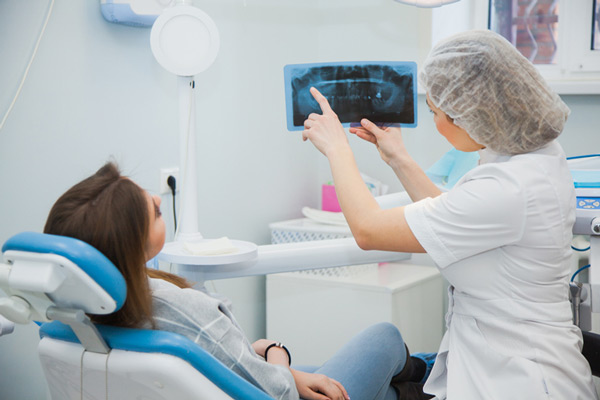 Have you ever wondered what supports your teeth and keeps them firmly in place? It's your jawbone! This strong bone not only gives your face its shape but also plays a vital role in holding your teeth. But what happens when that bone starts to disappear? This is called bone loss, and it can have significant effects on your oral health and overall well-being. Have you ever wondered what supports your teeth and keeps them firmly in place? It's your jawbone! This strong bone not only gives your face its shape but also plays a vital role in holding your teeth. But what happens when that bone starts to disappear? This is called bone loss, and it can have significant effects on your oral health and overall well-being.
Understanding Bone Loss
Bone loss in the jaw, also known as alveolar bone loss, is the reduction in the amount of bone that surrounds and supports your teeth. Think of it like the foundation of a house. If the foundation weakens, the house becomes unstable. Similarly, when the jawbone weakens, your teeth can become loose, shift, or even fall out.
Several factors can contribute to bone loss. One of the most common culprits is periodontal (gum) disease. This infection inflames the gums and, if left untreated, can spread to the underlying bone, gradually destroying it. Other causes include:
| • |
Tooth Extraction: When a tooth is removed, the bone that supported it no longer receives stimulation and can start to resorb or shrink over time. |
| • |
Poorly Fitting Dentures: Dentures that don't fit properly can put excessive pressure on certain areas of the jawbone, leading to bone loss in those areas. |
| • |
Trauma: Injuries to the face or jaw can damage the bone and lead to bone loss. |
| • |
Osteoporosis: This condition weakens bones throughout the body, including the jawbone. |
| • |
Certain Medical Conditions: Some medical conditions and medications can also contribute to bone loss. |
The Consequences of Bone Loss
The effects of bone loss can range from mild to severe, depending on the extent of the bone loss. Some common consequences include:
| • |
Loose Teeth: As the bone supporting your teeth diminishes, your teeth may become loose and unstable. |
| • |
Tooth Loss: In severe cases, bone loss can lead to tooth loss. |
| • |
Difficulty Chewing: Missing or loose teeth can make it difficult to chew food properly, which can affect your nutrition. |
| • |
Changes in Facial Appearance: Bone loss can cause the jawline to shrink, leading to a sunken or aged appearance. |
| • |
Difficulty Speaking: Missing teeth can affect your ability to speak clearly. |
| • |
Increased Risk of Further Bone Loss: The cycle of bone loss can perpetuate itself if not addressed. |
Prevention and Treatment
The good news is that bone loss can often be prevented or managed with proper oral care and timely treatment. Here are some important steps you can take:
| • |
Maintain Excellent Oral Hygiene: Brush your teeth twice a day, floss daily, and use an antibacterial mouthwash to remove plaque and bacteria that can cause gum disease. |
| • |
Regular Dental Checkups: Visit your dentist regularly for checkups and cleanings. Your dentist can detect early signs of gum disease and bone loss and recommend appropriate treatment. |
| • |
Address Gum Disease Promptly: If you have gum disease, seek treatment from your dentist or a periodontist (a gum specialist). Treatment may include scaling and root planing (deep cleaning), antibiotics, or surgery. |
| • |
Consider Bone Grafting: In cases of significant bone loss, bone grafting may be an option to rebuild the lost bone. This procedure involves transplanting bone tissue to the affected area to stimulate new bone growth. |
| • |
Explore Restoration Dentistry: Dental implants are a popular option to replace missing teeth, as they fuse with the jawbone and provide stimulation that can help prevent further bone loss. Other restoration dentistry treatments may be considered to address tooth loss, depending on individual needs. |
| • |
Maintain a Healthy Lifestyle: Eat a balanced diet, avoid smoking, and manage any underlying medical conditions to promote overall bone health. |
Bone loss in the jaw can have a significant impact on your oral health and quality of life. By understanding the causes, consequences, and prevention methods, you can take proactive steps to protect your jawbone and keep your smile healthy and strong. Regular dental visits are essential for early detection and treatment of bone loss. Don't hesitate to talk to your dentist if you have any concerns about your bone health.
|
|

