Using Aspirin on Mouth Sores Can Be Dangerous
Posted on 12/15/2025 by Singing River Dentistry - Muscle Shoals |
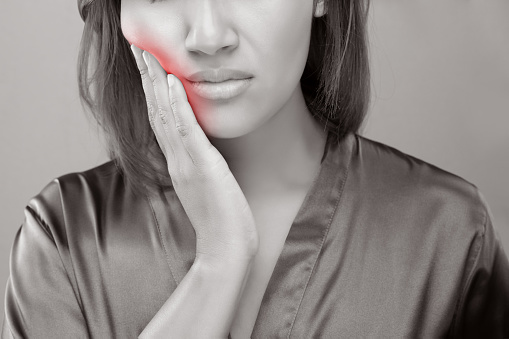 Mouth sores, like canker sores or fever blisters, are a common nuisance. They can pop up unexpectedly and make eating, drinking, and even talking uncomfortable. It’s natural to want quick relief, and you might have heard that placing an aspirin directly on the sore can help. However, this common remedy can actually cause more harm than good. Let's explore why. Mouth sores, like canker sores or fever blisters, are a common nuisance. They can pop up unexpectedly and make eating, drinking, and even talking uncomfortable. It’s natural to want quick relief, and you might have heard that placing an aspirin directly on the sore can help. However, this common remedy can actually cause more harm than good. Let's explore why.
The Problem with Aspirin
Aspirin is a pain reliever and anti-inflammatory medication. It works by blocking the production of certain chemicals in the body that cause pain and inflammation. While it’s effective when taken orally, directly applying it to a mouth sore is a different story.
Aspirin is acidic. When you place an aspirin tablet directly on a mouth sore, the concentrated acid can burn the delicate tissues lining your mouth. This is similar to a chemical burn and can actually worsen the sore, making it larger, more painful, and prolonging the healing process.
Instead of providing relief, the aspirin can damage the surface of the sore and the surrounding healthy tissue. This can create a white, rough patch around the original sore, which is a sign of tissue damage. It can also increase the risk of infection, as the damaged tissue is more vulnerable to bacteria.
Better Ways to Manage Mouth Sores
If you're struggling with a mouth sore, there are much safer and more effective ways to find relief:
| • |
Over-the-counter topical treatments: Look for gels or creams specifically designed for mouth sores. These often contain ingredients that numb the area, protect the sore, and promote healing. |
| • |
Saltwater rinses: Gently rinsing your mouth with warm salt water can help cleanse the area and reduce inflammation. |
| • |
Avoid irritating foods: Stay away from spicy, acidic, or very hot foods that can further irritate the sore. |
| • |
Maintain good oral care: Continue to brush your teeth gently and floss regularly to prevent secondary infections. |
| • |
Consider other medications: In some cases, your dentist might prescribe a stronger topical medication or an oral medication to reduce inflammation and promote healing. |
The Importance of Prevention Dentistry
The best way to deal with mouth sores is to prevent them in the first place. While the exact cause of many mouth sores is unknown, certain factors can trigger them.
| • |
Proper oral care: Brushing twice a day, flossing daily, and using a fluoride toothpaste can help keep your mouth healthy and reduce the risk of sores. |
| • |
Balanced diet: Eating a nutritious diet rich in vitamins and minerals can boost your immune system and help prevent outbreaks. |
| • |
Stress management: Stress can weaken your immune system and make you more susceptible to mouth sores. Finding healthy ways to manage stress, such as exercise or relaxation techniques, can be beneficial. |
| • |
Regular dental check-ups: Your dentist can identify potential problems early and provide guidance on maintaining good oral health. |
Conclusion
While the urge to find a quick fix for a painful mouth sore is understandable, using aspirin directly on the sore is not a safe or effective solution. It can cause chemical burns, worsen the sore, and increase the risk of infection. Focus on gentle, proven remedies and practice good prevention dentistry to keep your mouth healthy and comfortable. If you have persistent or severe mouth sores, be sure to consult with your dentist for proper diagnosis and treatment.
|
|

