Do You Eat a Rainbow Diet for Better Health?
Posted on 10/15/2026 by Singing River Dentistry Madison |
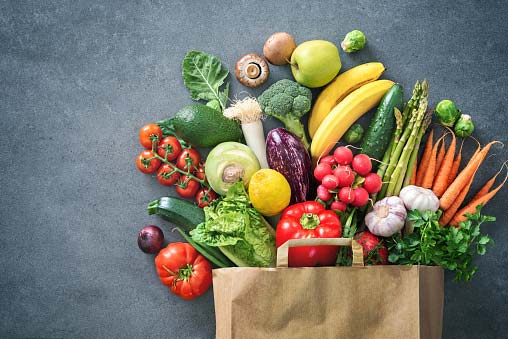 Let's talk about color! Specifically, the colors on your plate. You probably know eating lots of fruits and vegetables is good for you, but did you know that the color of those foods matters too? A "rainbow diet," filled with a variety of colorful plant-based foods, can do wonders for your overall health, and that includes your smile!
What is a Rainbow Diet?
The rainbow diet simply means eating fruits and vegetables of all different colors. Think of it like this: each color group contains different vitamins, minerals, and antioxidants that your body needs to function properly. Red peppers, blueberries, green spinach, yellow squash, orange carrots, purple eggplant – the more colors, the better!
Why is Color Important?
The vibrant colors in fruits and vegetables come from natural plant compounds called phytonutrients. These compounds act like superheroes in your body, fighting off damage from things like pollution and stress. Each color represents a different set of phytonutrients, offering unique health benefits.
| • |
Red: Often rich in lycopene and anthocyanins, thought to support heart health. Think tomatoes, strawberries, and red bell peppers. |
| • |
Orange and Yellow: Excellent sources of Vitamin C and carotenoids, which may support vision and immune function. Think carrots, oranges, and sweet potatoes. |
| • |
Green: Packed with chlorophyll, vitamins K and B, and folate, potentially beneficial for bone health and cell function. Think spinach, broccoli, and green beans. |
| • |
Blue and Purple: High in anthocyanins and resveratrol, thought to have anti-inflammatory properties. Think blueberries, eggplant, and purple cabbage. |
| • |
White and Brown: Contain compounds like allicin (in garlic) and fiber, which can support gut health. Think onions, mushrooms, and cauliflower. |
How Does a Rainbow Diet Benefit My Oral Care?
A balanced diet, rich in vitamins and minerals, is crucial for strong teeth and healthy gums. Many colorful fruits and vegetables are naturally abrasive, helping to scrub away plaque and food particles from your teeth as you chew. This reduces the risk of cavities and gum disease.
For example, crunchy vegetables like carrots and celery stimulate saliva production, which helps neutralize acids in your mouth and wash away bacteria. The vitamins and antioxidants found in colorful produce also strengthen your gums and help fight inflammation, a key factor in gum disease.
Incorporating the Rainbow
It's easier than you think to add more color to your diet! Here are a few simple ideas:
| • |
Snack Smart: Instead of reaching for processed snacks, grab a handful of colorful berries or some carrot sticks with hummus. |
| • |
Salad Power: Load up your salads with a variety of colorful vegetables like bell peppers, tomatoes, cucumbers, and shredded carrots. |
| • |
Smoothie Boost: Add a handful of spinach, berries, or even a small piece of beet to your morning smoothie for an extra dose of nutrients. |
| • |
Roast it Up: Roasting vegetables brings out their natural sweetness. Try roasting a mix of colorful vegetables like broccoli, cauliflower, carrots, and sweet potatoes. |
Prevention Dentistry Starts in the Kitchen
Eating a rainbow diet is a powerful tool in prevention dentistry. While brushing, flossing, and regular check-ups are essential, nourishing your body with the right foods can significantly improve your oral health and overall well-being. By making colorful fruits and vegetables a regular part of your meals, you're investing in a healthier, happier smile for years to come. So, next time you're planning your meals, think rainbow!
|
|

