What to Eat (and What to Avoid) the Day After a Root Canal
Posted on 10/7/2026 by Singing River Dentistry Madison |
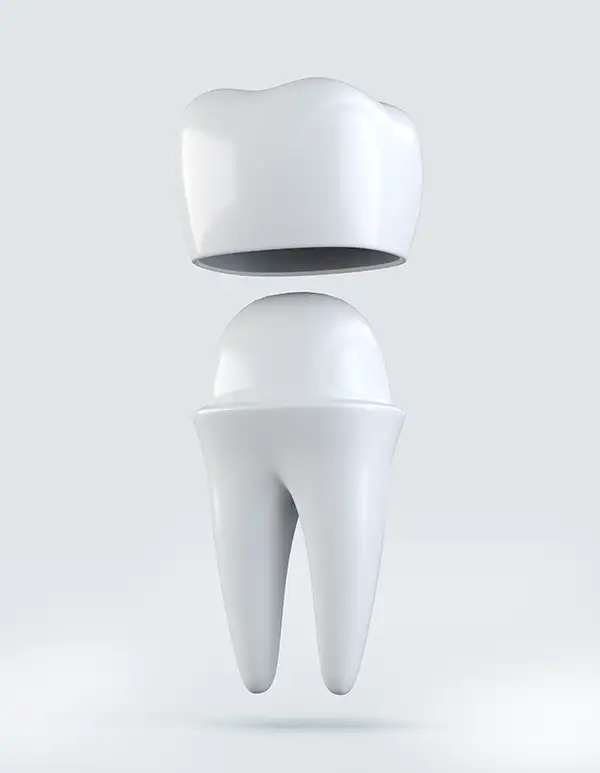
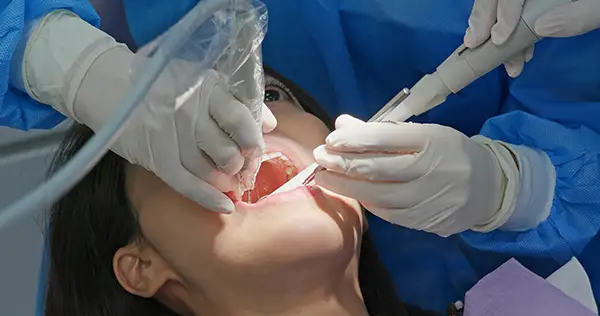 Knowing what to eat after a root canal can keep you comfortable, protect the temporary restoration on your treated tooth, and make the first 24 to 48 hours go a lot smoother. If you just left our Madison, AL office after a root canal procedure, your tooth is essentially in a transition phase. The infected pulp inside has been cleaned out, the canals are sealed, and a temporary filling or temporary crown is holding everything in place until your permanent restoration is bonded a few weeks later.
That middle window is where food choices matter most. Patients who pick gentle, low-effort foods for a day or two almost always recover faster and avoid surprise problems like a cracked temporary or a sore gum line. Below is the practical day-after eating guide our team at Singing River Dentistry gives our Madison patients, including the foods that genuinely help, the ones we ask you to skip, and the timeline for getting back to normal meals.
On This Page
Foods That Help You Heal
 The goal for the first day or two is simple: feed yourself well without asking the treated tooth or its temporary restoration to do hard work. Soft, moisture-rich foods at mild temperatures fit that bill perfectly. Cold yogurt and cottage cheese are easy on a tender mouth, and many patients tell us the cool temperature actually soothes lingering soreness around the gum line.
Smoothies are a popular choice, as long as you skip the straw (more on that below). Other reliable options include scrambled eggs, mashed potatoes, soft-cooked pasta with a mild sauce, oatmeal that has cooled to warm, creamy soups that have come off the stove, tender flaky fish, well-cooked rice, soft-cooked vegetables, ripe bananas, hummus, applesauce, and ice cream or frozen yogurt in moderation. None of these foods demand much chewing, and none have hard pieces that could pressure your temporary filling.
- Cold and creamy – yogurt, cottage cheese, smoothies (no straw), pudding
- Soft and warm – oatmeal, mashed potatoes, creamy soups, soft pasta
- Protein options – scrambled eggs, flaky cooked fish, well-cooked beans, tofu
- Fruit and vegetables – ripe bananas, applesauce, soft-cooked carrots or squash, avocado
One question we hear often is whether cold foods will trigger sensitivity in the treated tooth. Once the nerve is removed during a root canal, the tooth itself does not respond to temperature the way it used to. The surrounding gum tissue and nearby teeth can still feel temperature, though, and if you are dealing with tooth sensitivity in the surrounding area, you may want to let cold foods sit for a moment before each bite.
Foods to Skip for a Few Days
A handful of food types can genuinely set back your recovery, mostly because they put unnecessary force on a tooth that is currently relying on a temporary restoration. Hard and crunchy items are the biggest concern. Nuts, popcorn (especially unpopped kernels), chips, hard pretzels, raw carrots, and ice can crack a temporary filling or stress the healing tooth. Even a small chip in the temporary can let bacteria reach the cleaned canals and force you to come back in early.
Sticky and chewy foods are the next category to watch. Caramel, taffy, dried fruit, thick peanut butter, soft caramel candies, bagels, steak, and tough bread crusts can pull a temporary off the tooth or require so much chewing force that the surrounding gum stays sore longer than it needs to. If you find yourself working hard to chew something, that is a sign to put it down.
Temperature extremes are worth easing back on for the first day. Piping hot coffee, very hot soup, or ice-cold drinks straight from the freezer can occasionally trigger a flare-up of post-procedure tenderness. Let things cool to warm, and let cold things sit briefly before you drink or eat them. Spicy foods can irritate any tender soft tissue, so consider skipping the hot sauce until things settle. Alcohol is also worth pausing if you were prescribed antibiotics or stronger pain relievers, since the two can interact.
Above all, plan to chew on the opposite side of your mouth from the treated tooth until your permanent crown is placed. The temporary is meant to seal and protect, not to handle full bite force. Chewing on the other side for a few weeks is one of the easiest ways to make sure your permanent crown visit goes smoothly when it arrives.
Anesthesia and the Straw Rule
Two day-of details trip up more patients than the food list itself. The first is timing. The numbness from your anesthetic typically takes one to three hours to fully wear off, and during that window your cheek, tongue, and lip can be bitten without you feeling a thing. We recommend waiting until full sensation returns before eating anything that requires real chewing. A smoothie or yogurt is fine during the wait; a sandwich is not.
The second is the straw. Strong suction from drinking through a straw can pull on the seal of a fresh temporary restoration and, in some cases, can cause the temporary to loosen. Drink directly from the glass for the first day or two. The same goes for forceful spitting or vigorous mouth rinsing.
If you were prescribed a stronger pain reliever, follow the instructions on the bottle and avoid combining it with alcohol. Most patients we see at our Madison office find that over-the-counter ibuprofen, taken on the schedule we discussed at your visit, handles the lingering tenderness well.
When Eating Returns to Normal
Most patients are eating fairly normally by the second or third day after a root canal, with the one ongoing rule of avoiding the treated side until the permanent crown is bonded. By day two, scrambled eggs at breakfast, a soft sandwich at lunch (chewed on the other side), and pasta at dinner are all reasonable. By the end of the first week, the gum around the tooth usually feels back to baseline.
The bigger milestone comes when your permanent crown is placed, often two to four weeks after the root canal. That crown is what allows the tooth to handle full chewing force again. Many of our Madison patients receive a same-day CEREC crown, which means the wait can be shorter than the traditional lab process. If you have questions about which crown option fits your case, our team is happy to walk through the choice between same-day CEREC crowns and lab-fabricated options at your follow-up.
Until the permanent is in place, treat the tooth as a partner you are looking after. Avoid the treated side for biting, keep brushing and flossing gently around the area, and call us early if anything feels off. Catching a loose temporary or a small chip the same day usually means a quick fix; waiting a week can mean a more involved repair.
Talking With Our Team
If you are still sorting through what counts as normal post-procedure tenderness and what deserves a phone call, we would much rather hear from you than have you wait. The team at Singing River Dentistry in Madison, AL is glad to talk you through any concern, and you can reach us at 256-653-9830 or by visiting our main practice site to request an appointment. A short call early is almost always easier than a delayed visit later.
Frequently Asked Questions
How long after a root canal can I eat?
You can have soft, no-chew foods like yogurt or a smoothie almost right away. For anything that requires real chewing, wait until the anesthetic has fully worn off, usually one to three hours, so you do not accidentally bite your cheek or tongue.
Is it okay to eat ice cream after a root canal?
Yes, in moderation. Ice cream and frozen yogurt are soft and many patients find the cool temperature soothing. Just eat slowly and avoid biting into anything frozen solid or chewing on hard mix-ins like nuts or candy pieces.
Why am I being told to skip straws?
The suction from a straw can pull on a fresh temporary restoration and occasionally loosen it. Drinking directly from a glass for the first day or two protects the temporary while the seal fully sets.
What if my temporary filling comes out?
Call our office promptly if a temporary feels loose or comes out. The treated tooth needs that seal in place to protect the cleaned canals from bacteria. A quick replacement visit is usually all it takes.
When should I be worried about lingering tenderness?
Mild tenderness for a few days is normal. Discomfort that is sharp, throbbing, worsening after day three, or accompanied by swelling deserves a same-day call. Our team can evaluate what is happening, and you can read more about toothache evaluation and treatment options on our service page. |
|

