How Diet Impacts Tooth Sensitivity: Foods Madison Residents Should Avoid
Posted on 6/2/2026 by Singing River Dentistry Madison |
 If sipping iced tea or biting into a slice of cold watermelon sends a sharp jolt through your tooth, the foods and drinks in your daily routine may be playing a bigger role in your tooth sensitivity than you realize. Sensitive teeth are one of the most common concerns we hear from Madison, AL residents at Singing River Dentistry, and the foods Southerners reach for every day are often part of the picture. This guide walks through the foods most likely to worsen sensitivity, the ones that can actually help, and the small timing habits that protect enamel over the long run.
You don’t have to give up everything you love. Once you understand which categories of food and drink are most likely to trigger discomfort, you can adjust how, when, and how often you have them. If sensitivity has already become a regular part of your day, our team also offers in-office tooth sensitivity treatment in Madison to identify the underlying cause and stop the cycle.
On This Page
Why Diet Plays a Bigger Role Than You Think
Tooth sensitivity usually comes down to one thing: the hard outer layer of your tooth (enamel) has worn down, or your gums have receded, exposing the softer inner layer (dentin) underneath. Dentin contains thousands of microscopic channels that lead toward the nerve. When something hot, cold, sweet, or acidic touches those channels, you feel it almost instantly.
Diet is one of the leading reasons enamel breaks down over time. Acidic foods soften enamel temporarily, sugary foods feed bacteria that produce more acid, and hard items can create micro-cracks that expose even more dentin. None of this happens overnight, which is part of why it’s easy to miss. The damage builds up slowly, and one day a cold drink or a citrus snack starts setting off zingers you didn’t feel a year ago.
Diet alone won’t reverse significant sensitivity, but it can absolutely make it worse. The good news is that small changes in what and how you eat usually reduce flare-ups noticeably within a few weeks.
Acidic Foods and Drinks: The Biggest Trigger
Acid is the number-one dietary cause of enamel erosion, and the list of acidic foods is longer than most people guess. Anything with a pH below about 5.5 begins to soften enamel on contact. The longer the acid sits on your teeth and the more often you expose your teeth to it, the more the damage adds up.
Common culprits include citrus fruits and juices (lemons, limes, oranges, grapefruit), tomato-based dishes (pasta sauce, salsa, ketchup), vinegar-based dressings, pickled and fermented foods, kombucha, wine, and coffee. Sports drinks and energy drinks are particularly aggressive on enamel because they combine acid with sugar and are often sipped slowly during workouts or hot North Alabama afternoons.
Sweet tea deserves its own mention. It’s a Southern staple, but it carries both mild acidity and a heavy sugar load, and most people sip it slowly over an hour or more. That slow sip is what does the real damage. The same goes for regular and diet soda. Diet soda may contain no sugar, but the carbonic and phosphoric acid still soften enamel just as effectively.
Patients dealing with frequent heartburn face a similar concern from a different direction. Stomach acid that reaches the mouth can erode enamel even faster than dietary acid, so our guide to dental erosion from acid reflux is worth reviewing if that applies to you.
Hot, Cold, and Hard Foods That Aggravate Sensitivity
Temperature plays a major role in why sensitive teeth feel sensitive, especially when extremes alternate. A sip of hot coffee followed by an ice-cold glass of water makes enamel expand and contract rapidly, which can deepen existing cracks and irritate the nerve.
Ice is its own conversation in Alabama. Chewing ice is a regional habit, often paired with that ever-present glass of sweet tea, and it’s one of the fastest ways to create the micro-cracks that lead to sensitivity. Hard candies, popcorn kernels (the unpopped ones at the bottom of the bag), and even some uncooked vegetables can cause similar damage when bitten the wrong way. We see a steady stream of chipped teeth and cracked fillings from these everyday culprits.
Abrasive textures matter too. Crunching aggressively on hard pretzels, stale crusty bread, or thick tortilla chips won’t cause sudden damage in most healthy mouths, but if your enamel is already thinning, these foods can accelerate wear at the gum line where teeth are most vulnerable.
Sugar, Sticky Foods, and Alcohol
Sugar by itself doesn’t hurt teeth directly. The damage happens when bacteria in your mouth feed on sugar and produce acid as a byproduct. It’s the same acid story from above, just delivered through a different door.
Hard candies, taffy, caramel, and dried fruit (raisins, dates, fruit leather) all stick to teeth long after you finish eating. Sticky sweets settle into the grooves of molars and along the gum line, giving bacteria hours of fuel from a single piece. If you’re going to enjoy sweets, having them with a meal and then rinsing or brushing is far better than snacking on them throughout the afternoon.
Alcohol creates a second problem most people don’t connect to their teeth. It dries out the mouth, reducing saliva, which is your body’s built-in defense against acid and bacteria. Many alcoholic drinks are also acidic on their own. Wine, hard seltzers, and mixed drinks with citrus or soda compound the effect.
Foods and Habits That Strengthen Sensitive Teeth
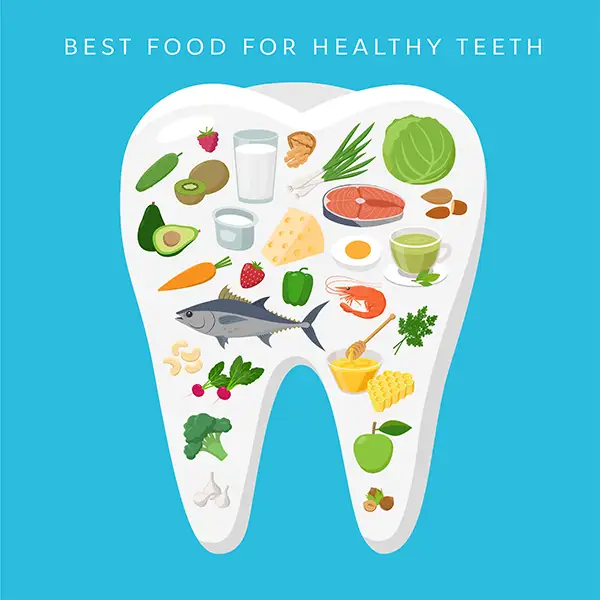 The encouraging news is that everyday foods can support sensitive teeth just as effectively as other foods can damage them. Dairy is the standout here. Milk, yogurt, and cheese deliver calcium and a protein called casein that helps remineralize enamel and neutralize acid in the mouth. A piece of cheese after dinner is one of the simplest ways to protect your teeth from the wine or dessert you just enjoyed.
Leafy greens contribute calcium and folate, both linked to better gum health. Eggs and fatty fish like salmon offer vitamin D, which helps your body absorb calcium effectively. Nuts and seeds add minerals and a satisfying crunch that stimulates saliva. Sugar-free gum with xylitol after meals raises saliva flow and helps wash away acid before it can settle on enamel.
Water deserves its own moment. Madison residents have access to fluoridated municipal water, and rinsing with it after acidic foods is one of the easiest sensitivity defenses there is. Drinking water throughout the day also keeps saliva flowing, which is your mouth’s natural enamel-protection system.
How and when you eat matters as much as what you eat. A few habits make a real difference:
- Don’t sip acidic drinks all day - Finish them in one sitting, ideally with a meal, rather than nursing them over the whole afternoon.
- Rinse with water after anything acidic - A quick swish dilutes the acid and helps saliva neutralize what’s left.
- Wait about 30 minutes to brush after acid exposure - Enamel is temporarily softened, and brushing too soon can scrub small amounts of it away.
- Use a straw for cold and staining drinks - Bypassing the front teeth reduces direct contact with enamel.
- Skip the ice chewing - The micro-cracks it causes are cumulative and can’t heal on their own.
If you’re building these habits while still dealing with day-to-day sensitivity, in-office fluoride treatment can reinforce your enamel between routine cleanings and give your teeth a stronger baseline to recover from.
When Diet Alone Isn’t Enough
Diet changes can prevent sensitivity from getting worse, but they rarely fix the underlying cause on their own. If a cold drink or a bite of dessert has become uncomfortable, the team at Singing River Dentistry in Madison, AL can find the source and recommend the right next step. Call 256-653-9830 or visit our Madison practice online, and we’ll start with a thorough dental exam to figure out what’s really going on.
Frequently Asked Questions
How long does tooth sensitivity from food usually last?
A quick zing from a cold or acidic food typically fades within seconds. If sensitivity lingers for more than a few minutes after eating, or returns every time you drink something cold, that suggests a deeper cause worth having a dentist check.
Is diet soda really as bad for my teeth as regular soda?
For enamel, yes. Diet soda contains no sugar, but it still has carbonic and phosphoric acid, which soften enamel just as effectively as regular soda. The sugar in regular soda then adds a second layer of decay risk on top of that.
Why should I wait to brush after eating something acidic?
Acid temporarily softens the surface of your enamel. Brushing right away can scrub away small amounts of enamel that would otherwise have re-hardened on their own. Waiting about 30 minutes gives saliva time to neutralize the acid first.
Can sensitivity toothpaste alone fix the problem?
Sensitivity toothpastes can reduce symptoms over time by blocking the channels in dentin, but they don’t address the underlying cause. If you’ve been using one for several weeks without improvement, an in-office evaluation is the right next step.
Does Madison’s water supply actually help my enamel?
Madison’s municipal water is fluoridated, and drinking and rinsing with it does help remineralize enamel over time. It’s one reason we encourage patients to choose water over sugary or acidic drinks throughout the day. |
|

