What to Do After a Tooth Is Extracted
Posted on 3/24/2026 by Singing River Dentistry Madison |
 Knowing what to do after a tooth is extracted makes a real difference in how comfortable the first week feels and how quickly the socket heals. If you’re heading home from an appointment in Madison, AL, or you’ve just been told an extraction is on the schedule, this guide walks through the timeline step by step: the first 24 hours, the rest of the first week, what normal healing looks like, what isn’t normal, and why thinking about replacement at the time of extraction matters more than most people realize.
At Singing River Dentistry in Madison, our team gives every extraction patient post-procedure instructions in writing, but the same follow-up questions still come in a day or two later, usually about food, brushing, and what counts as too much discomfort. The guidance below mirrors the answers we give in person. For more background on the procedure itself, our tooth extraction page is a useful companion read.
On This Page
The First 24 Hours: Protecting the Blood Clot
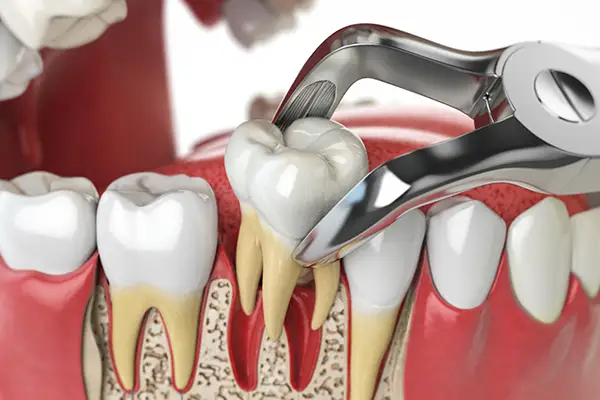 Most of what happens on the day of an extraction is about one thing: forming and protecting the blood clot that fills the empty socket. That clot is the foundation for healing, and the most common complication, dry socket, happens when it dislodges too early. The instructions below all serve that single goal.
Right after the appointment, our team will have you bite firmly on a folded piece of gauze for 30 to 45 minutes. The pressure helps the clot form. If the gauze is soaked through when you check, swap in a fresh piece and bite down again. A small amount of oozing for several hours is normal; steady, active bleeding is not.
A cold compress on the outside of the cheek over the extraction site, applied in cycles of 20 minutes on and 20 minutes off, helps minimize swelling. Take any recommended pain reliever before the local anesthesia fully wears off, rather than waiting until you’re uncomfortable. Stick to soft, cool foods that don’t require chewing on the extraction side, things like yogurt, smoothies eaten with a spoon, applesauce, and lukewarm soups. Rest with your head slightly elevated.
For the first 24 hours specifically, a few things to actively avoid:
- No straws - the suction can pull the clot right out of the socket
- No smoking or vaping - the suction effect plus the chemistry of smoke significantly raises the risk of dry socket and other complications
- No forceful spitting - same suction issue; let saliva drain naturally instead
- No rinsing or vigorous mouth movement - the clot needs to stay undisturbed for at least the first day
- No strenuous activity - elevated blood pressure can restart bleeding
If any of these feels overly strict, remember the goal: that small clot in the socket is doing important work, and protecting it for one day saves you significant discomfort over the days that follow.
Days 2 Through 7: Easing Back to Normal
After the first 24 hours, your role shifts from clot-protection mode to gentle care while the socket fills in with new tissue. Most of the strict don’ts ease up, but the area is still healing and deserves some thought.
Starting day two, gentle warm saltwater rinses several times a day, especially after meals, help keep the area clean without disturbing healing. Half a teaspoon of salt in a glass of warm water, swished gently and allowed to fall out of the mouth rather than spit forcefully. This routine continues for about a week.
Brushing your other teeth can return to normal that morning. Just be gentle around the extraction site for the first few days, then ease back to your usual technique as comfort allows. Floss the teeth on either side of the gap as you normally would, working around, not into, the socket.
Food gradually returns to normal textures over the week. Most patients start with very soft foods and reintroduce chewier options as comfort allows, usually moving back to a typical diet by day four or five. Avoid hard, crunchy, sticky, or very hot foods on the extraction side until the gum tissue has visibly closed over.
Light activity is fine right away: walking, light office work, normal day-to-day routines. Save heavy exercise, lifting, or anything that significantly raises your heart rate for after the first three to four days following a single-tooth extraction.
What Normal Healing Looks Like
A handful of markers tell you healing is on track:
| • |
Decreasing discomfort each day - day one is often the most uncomfortable, with steady improvement after that
|
| • |
Less swelling daily - any visible swelling typically peaks at 48 to 72 hours and then gradually fades
|
| • |
Tissue filling in the socket - over the first week, you’ll notice the socket developing soft tissue that gradually closes the opening
|
| • |
Return of normal sensation - any numbness from the local anesthesia is gone within hours of the appointment |
Mild discomfort, occasional soreness when chewing nearby, slight tenderness in the jaw muscles, and a faint taste while the socket heals are all within the range of normal. Soft tissue typically takes about three to four weeks to close fully; the underlying bone takes several months to remodel completely, even though you stop noticing the area long before that.
Warning Signs That Warrant a Phone Call
Most extractions heal without trouble, but certain signs warrant a call to our office rather than waiting it out:
| • |
Severe throbbing pain starting around day three - often the hallmark of dry socket, which happens when the protective clot dislodges; it’s treatable in-office and resolves quickly once addressed
|
| • |
Fever - any temperature above 101 degrees Fahrenheit in the days after extraction can signal infection
|
| • |
A bad taste or odor coming from the site - a possible early sign of infection or food debris in the socket
|
| • |
Swelling that worsens after day three - swelling should be improving by then, not getting worse
|
| • |
Bleeding that doesn’t slow with firm gauze pressure - more than a few hours of active bleeding deserves a call
|
| • |
Difficulty swallowing, breathing, or fully opening the mouth - call right away; this can indicate a more serious infection |
For any of these, contact our office. After hours, our emergency dentistry page outlines what to do. If symptoms suggest infection, the dental abscess treatment page is also useful background reading. Acting on warning signs early keeps small problems from becoming bigger ones.
Planning for the Gap: Don’t Wait Too Long on Replacement
This is the part of extraction aftercare that gets the least attention, and it matters more than the gauze and the saltwater rinses combined: don’t leave a gap in your bite unaddressed for years.
When a tooth is removed and not replaced, several quiet changes start happening over time. The bone that used to support the tooth begins to resorb, losing height and width because it’s no longer being stimulated by chewing forces. The teeth on either side of the gap can tilt or drift toward the open space. The opposing tooth in the other arch can drift down (or up) into the gap as well. By the time someone decides to replace the tooth ten years later, the conditions for placing a dental implant or even a well-fitting bridge can be significantly more complex than they would have been at year one.
The conversation about replacement is best had at the time of extraction, not after. Some options, like immediate implant placement, can sometimes happen the same day the tooth comes out. Others involve a planned healing period followed by treatment. The right path depends on which tooth was removed, the reason for the extraction, and the rest of your bite. Our tooth replacement options page walks through the main choices, and the single tooth replacement overview covers the most common scenario in detail. Whichever path fits, the earlier the planning, the better the outcome.
Talking to Our Madison Team
Following your aftercare instructions makes a real difference in how quickly and comfortably the socket heals. If you have questions in the days after your extraction, or if anything looks or feels off, call our Madison office at 256-653-9830 and we’ll walk through it with you. To learn more about our practice and the rest of our services, visit the Singing River Dentistry homepage.
Frequently Asked Questions
When can I eat normally again after a tooth extraction?
Most patients move from soft foods back to a typical diet by day four or five, gradually reintroducing chewier textures as comfort allows. Hard, crunchy, sticky, or very hot foods on the extraction side should wait until the gum tissue has visibly closed over the socket.
Is some bleeding normal after the first day?
A small amount of pinkish saliva or light oozing for the first 24 hours is normal. After that, persistent or steady active bleeding isn’t expected, and a phone call to the office is the right next step if it continues.
How do I know if I have dry socket?
Dry socket typically shows up as severe, throbbing pain starting around day three, often radiating toward the ear, and isn’t well controlled by over-the-counter pain relievers. Sometimes a bad taste or visibly empty socket comes with it. It’s easily treated in-office, and relief usually follows quickly.
Do I really need to replace a back tooth no one can see?
In most cases, yes. Even back teeth that don’t show in your smile play a major role in chewing, in keeping neighboring teeth in position, and in preserving jawbone. Leaving the gap untreated for years often leads to drifting teeth, opposing teeth supererupting into the space, and bone loss that complicates future treatment.
When can I go back to work or exercise after an extraction?
Light activity, including most office work, is fine the next day. Heavy exercise, lifting, or anything that significantly raises your heart rate is best held off for three to four days after a single-tooth extraction, since elevated blood pressure can restart bleeding or disturb the clot. |
|

