How to Manage Dry Mouth (Xerostomia) at Home
Posted on 6/9/2026 by Singing River Dentistry - Florence |
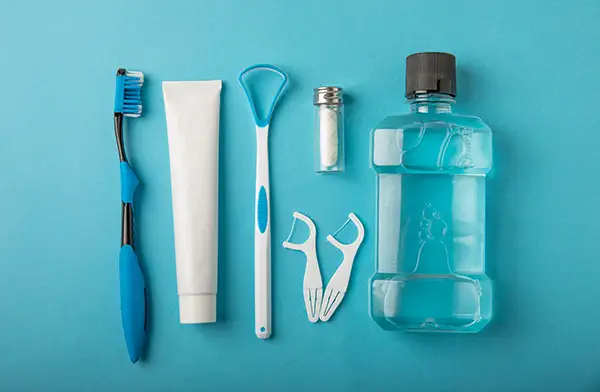 If your mouth feels dry, sticky, or oddly thirsty most of the day, you are far from alone – chronic dry mouth, known medically as xerostomia, affects a meaningful share of adults in Florence, AL and across the country, and there are practical, evidence-based steps you can take to manage dry mouth at home before it leads to bigger dental problems. Saliva does a lot more than keep your mouth comfortable. It rinses away food debris, neutralizes acids, delivers minerals back to enamel, and helps you taste, chew, and swallow normally. When saliva flow drops, the protective system around your teeth quietly weakens, and the risk of cavities, gum issues, and bad breath climbs. If your mouth feels dry, sticky, or oddly thirsty most of the day, you are far from alone – chronic dry mouth, known medically as xerostomia, affects a meaningful share of adults in Florence, AL and across the country, and there are practical, evidence-based steps you can take to manage dry mouth at home before it leads to bigger dental problems. Saliva does a lot more than keep your mouth comfortable. It rinses away food debris, neutralizes acids, delivers minerals back to enamel, and helps you taste, chew, and swallow normally. When saliva flow drops, the protective system around your teeth quietly weakens, and the risk of cavities, gum issues, and bad breath climbs.
This guide walks through why dry mouth happens, the home-based strategies that genuinely help, the small adjustments that protect your teeth while saliva flow is low, and the signs it is time to involve your dentist. For a broader overview of professional options, our page on dry mouth treatment options covers what we offer in more depth.
On This Page
Why Saliva Matters More Than You Think
Saliva is the unsung hero of oral health. It is roughly 99 percent water, but the remaining one percent contains enzymes, electrolytes, antibacterial compounds, and minerals like calcium and phosphate that are constantly working in the background. Each time you eat or drink something acidic, saliva helps neutralize the acid and redeposit minerals into enamel through a process called remineralization. Without that steady wash of saliva, the mouth loses one of its most important built-in defenses.
Chronic dry mouth raises the risk of several issues at once: cavities (especially along the gumline and root surfaces), inflamed gums, persistent bad breath, oral thrush, cracked lips and corners of the mouth, sore spots from rubbing dentures, and difficulty with chewing or swallowing certain foods. Many people first notice the problem at night, when they wake up with their tongue stuck to the roof of their mouth, or when sticky saliva makes it hard to talk first thing in the morning.
The good news is that managing dry mouth almost always involves multiple small changes rather than one dramatic fix. The cumulative effect is what makes the difference.
Common Causes of Dry Mouth
Pinpointing the likely cause helps shape the right response. Some causes are simple to address on your own, while others involve a conversation with the doctor who prescribes your medications or with your dentist. The most common contributors include the following.
| • |
Medications - Hundreds of common prescriptions list dry mouth as a side effect, including many antihistamines, blood pressure medications, antidepressants, muscle relaxants, and sleep aids. Taking several at once compounds the effect.
|
| • |
Mouth breathing - Sleeping with your mouth open, often related to nasal congestion, allergies, or sleep apnea, dries out oral tissues overnight.
|
| • |
Dehydration - Not drinking enough water through the day is a frequent and underestimated contributor.
|
| • |
Caffeine and alcohol - Both have mild dehydrating effects and can reduce baseline saliva production when consumed regularly.
|
| • |
Tobacco use - Smoking and chewing tobacco both reduce saliva flow and irritate the soft tissues of the mouth.
|
| • |
Health conditions - Diabetes, Sjogren syndrome, autoimmune disorders, and thyroid issues can all affect salivary function.
|
| • |
Cancer treatment - Head and neck radiation and certain chemotherapy drugs can damage salivary glands directly.
|
| • |
Age-related changes - Saliva production shifts with age, though this is usually less significant than medication effects in older adults. |
If you started a new medication and noticed dry mouth shortly after, that is worth flagging with your prescribing doctor and mentioning at your next dental exam. Sometimes a switch to a different medication in the same class, or a small timing adjustment, makes a real difference.
At-Home Strategies That Actually Help
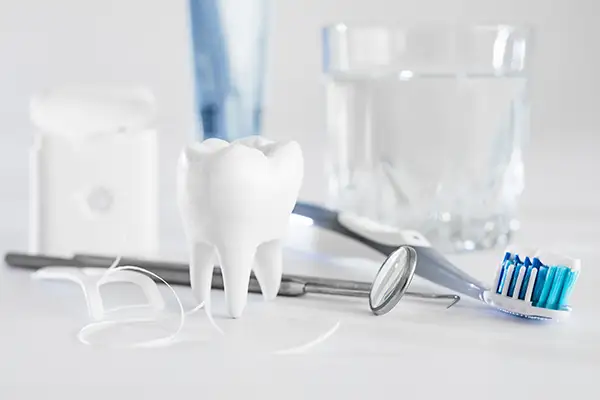 The most effective home routine is built from several small habits rather than one heroic effort. Aim to bring saliva into your day on a steady, low-key basis. The most effective home routine is built from several small habits rather than one heroic effort. Aim to bring saliva into your day on a steady, low-key basis.
Sip water consistently throughout the day rather than gulping large amounts only at meals. A water bottle within arm’s reach is one of the simplest and most effective changes most people can make. Chew sugar-free gum that contains xylitol or sorbitol; the chewing action stimulates the salivary glands, and xylitol in particular has been shown to reduce the bacteria most associated with cavities. Sugar-free lozenges work similarly when gum is not appropriate, such as for people with jaw or TMJ concerns.
Run a cool-mist humidifier in your bedroom at night, especially during winter months when indoor air is drier. If you wake up with a very dry mouth, mouth breathing may be part of the picture; an evaluation for nasal congestion or sleep apnea can help if the problem is consistent. Breathe through your nose during the day whenever possible.
Cut back on caffeine and alcohol if either is a daily habit, and avoid alcohol-based mouthwashes, which strip away what little moisture is left. Stopping tobacco use entirely, if it applies, is one of the single biggest improvements you can make for both saliva flow and overall oral health. Over-the-counter dry mouth products designed to replace or supplement saliva are widely available in spray, gel, and rinse formats. They do not cure xerostomia, but they offer real symptomatic relief, especially overnight or before long meetings or public speaking.
Daily Oral Care Adjustments for Dry Mouth
When saliva flow is reduced, your daily oral hygiene routine becomes the main line of defense against cavities and gum issues. A few targeted adjustments make a meaningful difference.
Brush twice a day with a fluoride toothpaste, and consider asking your dentist about a prescription-strength fluoride product if your cavity risk is high. Fluoride directly compensates for some of the protective work that saliva would normally handle. Floss daily, since food and plaque are harder to rinse away when the mouth is dry. Switch to an alcohol-free fluoride rinse rather than a traditional alcohol-based mouthwash; alcohol dries tissue further and works against the goal.
Pay extra attention to the gumline and the roots of the teeth, which are the areas most vulnerable when saliva is in short supply. Limit snacks between meals, especially sugary or acidic ones, because each exposure now lingers longer than it would in a well-lubricated mouth. If you wear partial or full dentures, clean them thoroughly every night and give your gums time to breathe between wears. Schedule cleanings on a tighter cadence than you might otherwise; many of our Florence patients with chronic dry mouth do best with professional cleanings every three to four months rather than every six.
For households where cavity risk is high, asking your dentist about an in-office fluoride treatment at your cleaning visits can add another protective layer at relatively low effort and time cost.
When to Bring It Up at Your Next Visit
Dry mouth that does not improve with consistent home strategies, or that comes with frequent cavities, painful sores, burning sensations on the tongue, or difficulty swallowing, deserves a closer look. The team at Singing River Dentistry in Florence can review your medications, evaluate your saliva flow, and tailor a protective plan to your specific situation. Reach our Hough Road office at 256-764-9955 or get in touch through our home page. Catching the early dental effects of xerostomia is far easier than reversing them later.
Frequently Asked Questions
What is the fastest way to relieve dry mouth at home?
The fastest relief usually comes from sipping water, chewing sugar-free gum that contains xylitol, or using an over-the-counter saliva substitute spray or gel. These three approaches stimulate or replace saliva within minutes and can be repeated throughout the day as needed.
Can dry mouth go away on its own?
It depends on the cause. Dry mouth from temporary dehydration, a cold, or short-term medication use often resolves once the underlying issue clears. Chronic dry mouth from ongoing medications, health conditions, or radiation treatment usually requires active management because it does not resolve on its own.
Does drinking more water actually cure dry mouth?
Staying well hydrated improves comfort and helps if dehydration is part of the picture, but in someone who is already adequately hydrated, drinking more water does not directly increase how much saliva your glands produce. Pair steady hydration with the other strategies in this guide for more reliable results.
Are alcohol-free mouthwashes really better for dry mouth?
Yes. Mouthwashes that contain alcohol dry out oral tissues further and work against the goal of managing xerostomia. Alcohol-free fluoride rinses provide cavity protection without the drying effect, and several brands are formulated specifically for people with dry mouth.
Does dry mouth really increase the risk of cavities?
Yes, and often significantly. Saliva neutralizes acid, washes away food debris, and helps redeposit minerals into enamel. When saliva flow is reduced, those protective functions weaken, and the risk of decay at the gumline and roots of the teeth rises noticeably. That is why daily fluoride and more frequent professional cleanings matter so much for people with chronic dry mouth.
|
|